
Virtual Fitting Rooms for Clothing Stores: What Shoppers Actually Want in 2026
The fashion ecommerce industry is changing rapidly, and customer expectations are evolving faster than ever. In 2026, shoppers no longer want to rely only on static product photos, basic size charts, or model images before purchasing clothes online. They expect interactive, personalized, and accurate shopping experiences that help them feel confident before checkout. This shift is why Virtual Fitting Rooms for Clothing Stores are becoming one of the most important technologies in modern fashion ecommerce.
Virtual fitting rooms are no longer just a futuristic feature—they are quickly becoming a standard expectation among online shoppers. Customers want realistic fit previews, accurate sizing guidance, mobile-friendly experiences, and personalized recommendations that reduce uncertainty while shopping online. Brands that fail to meet these expectations may struggle with lower conversions and higher return rates, while brands adopting virtual fitting rooms are seeing stronger engagement and customer trust.
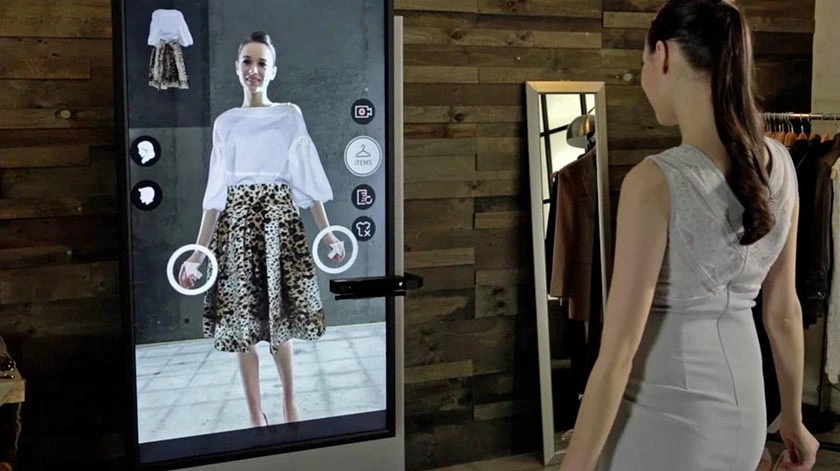
What Are Virtual Fitting Rooms for Clothing Stores?
Virtual Fitting Rooms for Clothing Stores are digital experiences powered by augmented reality (AR), artificial intelligence (AI), and body tracking technologies that allow customers to virtually try clothing before buying. Instead of imagining how clothes may look, shoppers can preview garments on themselves using a smartphone, webcam, or digital avatar.
Modern virtual fitting rooms can:
- Simulate clothing fit on the body
- Provide AI-based size recommendations
- Allow users to try multiple outfits instantly
- Improve understanding of style and proportions
- Create more interactive shopping experiences
These technologies are designed to reduce uncertainty and help shoppers make better purchase decisions.
Why Virtual Fitting Rooms Are Growing Rapidly in 2026
The demand for Virtual Fitting Rooms for Clothing Stores is increasing because online shoppers now expect ecommerce experiences to feel closer to in-store shopping. Customers want confidence, convenience, and personalization before spending money online.
Several trends are driving adoption in 2026:
- Growth of mobile shopping
- Increased return rates in fashion ecommerce
- Higher customer expectations for personalization
- Advancements in AR and AI technologies
- Faster internet and smartphone capabilities
As competition grows in ecommerce, brands are investing heavily in technologies that improve customer confidence and reduce hesitation.
What Shoppers Actually Want From Virtual Fitting Rooms
While many brands are implementing virtual fitting technologies, shoppers in 2026 have very specific expectations. They are not interested in gimmicks—they want tools that genuinely improve decision-making and make shopping easier.
What shoppers value most:
- Accurate size recommendations
- Realistic fit visualization
- Fast loading and smooth performance
- Mobile-friendly experiences
- Easy outfit comparison
- Personalized style suggestions
The success of Virtual Fitting Rooms for Clothing Stores depends on how effectively these expectations are met.
Accurate Fit Matters More Than Visual Effects
One of the biggest mistakes brands make is focusing too much on visual effects instead of practical accuracy. Customers care far more about whether clothing will fit properly than about flashy animations.
Shoppers want virtual fitting rooms to:
- Reflect realistic garment proportions
- Show accurate body alignment
- Simulate fit and drape correctly
- Help reduce sizing confusion
If the experience feels inaccurate or unrealistic, customers may lose trust quickly.
Why fit accuracy matters:
- Builds purchase confidence
- Reduces return rates
- Improves customer satisfaction
- Encourages repeat purchases
Mobile-First Virtual Fitting Experiences
Most online fashion shopping now happens on smartphones, which means mobile optimization is essential. Shoppers expect Virtual Fitting Rooms for Clothing Stores to work smoothly on mobile devices without requiring complicated setup or downloads.
Customers prefer:
- Browser-based try-on experiences
- Fast camera activation
- Easy controls and navigation
- Lightweight experiences with quick loading
Brands that prioritize mobile-first virtual fitting rooms are more likely to see higher engagement and conversions.
Personalization Is Becoming a Standard Expectation
In 2026, shoppers expect personalized ecommerce experiences. Generic recommendations are no longer enough. Customers want virtual fitting rooms to understand their preferences, body shape, and shopping behavior.
Modern personalization features include:
- AI-powered size suggestions
- Personalized outfit recommendations
- Saved body profiles
- Style matching based on previous purchases
This level of customization makes the shopping experience feel more relevant and efficient.
Reducing Clothing Returns Through Better Confidence
One of the biggest benefits of Virtual Fitting Rooms for Clothing Stores is their ability to reduce return rates. Fashion ecommerce continues to struggle with returns caused by poor fit, incorrect sizing, and unmet expectations.
Virtual fitting rooms help by:
- Improving size confidence
- Reducing guesswork
- Providing realistic previews
- Helping shoppers make informed decisions
When customers feel more certain before purchasing, they are less likely to return products later.
Benefits for clothing brands:
- Lower operational costs
- Reduced reverse logistics expenses
- Better profitability
- Improved customer trust
Virtual Fitting Rooms Increase E-commerce Conversions
Confidence and engagement play a major role in conversion optimization. When shoppers can interact with products through virtual fitting rooms, they are more likely to stay on the website longer and complete purchases.
How virtual fitting rooms improve conversions:
- Reduce hesitation before checkout
- Increase customer interaction
- Improve product understanding
- Create engaging shopping experiences
Brands using AR and virtual fitting technologies often see higher add-to-cart rates and improved customer engagement.
Social Commerce and Virtual Fitting Rooms
Social commerce is becoming increasingly important in fashion ecommerce, and Virtual Fitting Rooms for Clothing Stores are integrating directly with social media platforms.
Customers can now:
- Try outfits through social ads
- Share virtual try-on looks with friends
- Receive style feedback instantly
- Shop directly from social platforms
This creates a more interactive and community-driven shopping experience.
Challenges Clothing Brands Should Expect
While virtual fitting rooms offer strong benefits, brands must also understand the challenges involved in implementation.
Common challenges include:
- Creating accurate 3D garment models
- Maintaining realistic fit simulation
- Ensuring compatibility across devices
- Managing development costs
- Protecting customer privacy and data
However, advancements in AR technology are making these systems easier and more scalable each year.
Future of Virtual Fitting Rooms Beyond 2026
The future of Virtual Fitting Rooms for Clothing Stores will become even more advanced as AI and AR technologies continue evolving.
Future innovations may include:
- Real-time body scanning
- AI-generated style recommendations
- Realistic fabric movement simulation
- Fully immersive virtual shopping environments
- Personalized digital avatars for every shopper
These technologies will continue transforming how customers shop for clothing online.
Conclusion
Virtual Fitting Rooms for Clothing Stores are becoming essential for fashion ecommerce success in 2026. Modern shoppers want more than static images—they expect accurate fit visualization, personalized recommendations, and seamless mobile experiences that help them shop confidently online. Brands that focus on realistic fit, usability, and personalization will gain a major competitive advantage in the growing e-commerce market. As AR and AI technologies continue to improve, virtual fitting rooms will play an even bigger role in shaping the future of online fashion shopping.
FAQ
1 What are Virtual Fitting Rooms for Clothing Stores?
They are AR and AI-powered tools that allow customers to try clothing virtually before buying online.
2 Why are virtual fitting rooms important in 2026?
They improve customer confidence, reduce returns, and create more interactive shopping experiences.
3 Do virtual fitting rooms increase conversions?
Yes, they improve engagement and reduce hesitation during checkout.
4 Can virtual fitting rooms reduce clothing returns?
Yes, they help customers make more accurate sizing and fit decisions before purchase.