
Augmented Reality Furniture Shopping: The Complete Guide for 2026
Furniture shopping has changed dramatically over the past few years. Customers no longer want to rely solely on showroom visits, product photos, or imagination when making expensive furniture purchases. They want to know exactly how a sofa, dining table, bed, or wardrobe will look inside their home before spending money. This growing demand for confidence and convenience has made Augmented Reality Furniture Shopping one of the most important innovations in ecommerce. In 2026, AR is helping furniture brands bridge the gap between online browsing and real-world visualization, creating a more engaging and trustworthy shopping experience.
As technology continues to improve, Augmented Reality Furniture Shopping is becoming a standard feature rather than a premium add-on. From reducing purchase hesitation to improving conversion rates, AR is transforming how consumers discover, evaluate, and buy furniture online.
What Is Augmented Reality Furniture Shopping?
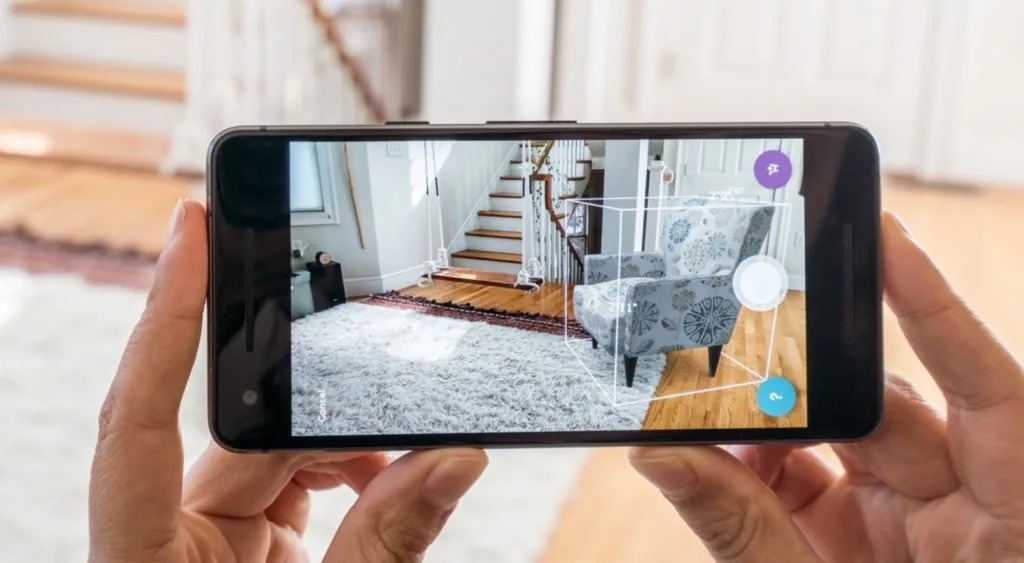
Augmented Reality Furniture Shopping is the process of using AR technology to place and visualize furniture products within a real-world environment using a smartphone, tablet, or other connected device. Instead of guessing whether a piece of furniture will fit or match a room, customers can see a digital version of the product directly in their space.
The technology overlays 3D furniture models onto a live camera view, allowing users to move around the room and inspect products from multiple angles. This creates a realistic and interactive shopping experience that closely replicates seeing furniture in person.
Key Features of AR Furniture Shopping
- Real-time furniture placement
- Accurate size and scale visualization
- Room compatibility testing
- Multiple product comparisons
- Mobile and browser accessibility
- Interactive 3D product viewing
These features help customers make more informed purchasing decisions before checkout.
Why Furniture Shoppers Need AR in 2026
Furniture is one of the most challenging categories to purchase online because it involves significant investment and long-term use. Customers worry about whether furniture will fit, match existing décor, or function properly within a room.
Common concerns include:
- Will this sofa fit in my living room?
- Is the dining table too large for the space?
- Will the color match my interior design?
- Can wardrobe doors open comfortably?
- Will the furniture look as good in real life as it does online?
Augmented Reality Furniture Shopping directly addresses these concerns by giving customers a realistic preview before purchase.
How Augmented Reality Furniture Shopping Works
Modern AR furniture solutions are designed to be simple and accessible. Most experiences require only a smartphone camera and an internet connection.
Typical customer journey:
- Visit a furniture product page
- Select the “View in Room” or AR option
- Allow camera access
- Scan the room surface
- Place the furniture digitally in the space
- Move, rotate, and compare products
Within seconds, shoppers can see how furniture fits into their home environment.
Benefits of Augmented Reality Furniture Shopping
1. Improves Purchase Confidence
One of the biggest advantages of Augmented Reality Furniture Shopping is increased customer confidence. Furniture purchases often involve significant consideration because of cost and long-term commitment.
AR helps shoppers:
- Visualize products accurately
- Understand proportions better
- Evaluate design compatibility
- Make decisions with greater certainty
The result is a smoother buying journey and less hesitation.
2. Reduces Furniture Returns
Returns can be costly for furniture brands due to shipping, handling, and restocking expenses. Many returns happen because customers misjudge size, style, or room compatibility.
AR helps reduce returns by:
- Showing accurate dimensions in context
- Improving expectation alignment
- Helping customers choose suitable products
- Eliminating size-related surprises
This benefits both customers and retailers.
3. Increases Ecommerce Conversion Rates
When customers can visualize products inside their homes, they feel more confident about buying online.
Conversion benefits include:
- Higher add-to-cart rates
- Increased engagement
- Lower purchase hesitation
- Faster decision-making
- Improved checkout completion rates
Brands implementing AR often report stronger ecommerce performance compared to traditional product displays.
4. Enhances Customer Experience
Modern consumers expect interactive shopping experiences. Static product images are no longer enough for many furniture buyers.
AR creates:
- Interactive product exploration
- Personalized shopping experiences
- Better understanding of products
- Stronger emotional connection with purchases
These experiences can improve customer satisfaction and brand loyalty.
AR for Different Furniture Categories
Living Room Furniture
Customers can visualize:
- Sofas
- Sectionals
- Coffee tables
- TV units
- Accent chairs
This helps determine space utilization and room aesthetics.
Bedroom Furniture
AR is highly effective for:
- Beds
- Headboards
- Nightstands
- Dressers
- Storage furniture
Customers can confirm dimensions before ordering.
Dining Room Furniture
Shoppers can test:
- Dining tables
- Dining chairs
- Sideboards
- Bar furniture
This reduces uncertainty around seating capacity and room flow.
Storage and Wardrobes
AR allows users to:
- Check wardrobe depth
- Test door swing clearance
- Evaluate storage placement
- Understand room constraints
This is particularly valuable for larger furniture pieces.
WebAR vs App-Based AR Furniture Shopping
Furniture brands generally choose between browser-based AR and app-based AR experiences.
WebAR Advantages
- No app download required
- Instant accessibility
- Better customer acquisition
- Faster implementation
App-Based AR Advantages
- Advanced personalization
- Better customer retention
- Enhanced performance
- More immersive experiences
In 2026, many furniture brands use both approaches to maximize results.
Metrics Furniture Brands Should Track
After implementing Augmented Reality Furniture Shopping, brands should measure performance using key metrics.
Important KPIs:
- AR engagement rate
- Conversion rate improvement
- Add-to-cart rate
- Average order value
- Return rate reduction
- Customer satisfaction scores
Tracking these metrics helps brands understand the ROI of AR investments.
Common Challenges of AR Furniture Shopping
Although AR offers major advantages, implementation can present challenges.
Common obstacles include:
- Creating high-quality 3D models
- Ensuring accurate scaling
- Maintaining fast loading speeds
- Supporting older devices
- Managing implementation costs
Fortunately, AR technology is becoming more affordable and accessible every year.
Future of Augmented Reality Furniture Shopping
The future of Augmented Reality Furniture Shopping will be driven by advances in artificial intelligence, computer vision, and immersive experiences.
Future innovations may include:
- AI-powered room design recommendations
- Automated furniture placement suggestions
- Real-time interior styling assistance
- Personalized shopping experiences
- Mixed reality home design environments
These developments will make online furniture shopping even more intuitive and engaging.
Why Furniture Brands Are Investing in AR
Furniture brands are adopting AR because it solves real customer problems while delivering measurable business benefits.
Business advantages include:
- Increased customer confidence
- Reduced return costs
- Higher conversion rates
- Stronger brand differentiation
- Better customer engagement
As competition grows, AR is becoming a key differentiator in furniture ecommerce.
Conclusion
Augmented Reality Furniture Shopping is transforming the furniture industry in 2026 by helping customers visualize products in their own homes before purchasing. It reduces uncertainty, improves buying confidence, lowers return rates, and creates more engaging shopping experiences. As AR technology continues to evolve, it will become an essential part of the online furniture buying journey. Brands that embrace AR today are positioning themselves for stronger growth, better customer satisfaction, and long-term ecommerce success.
FAQ
1 What is Augmented Reality Furniture Shopping?
It is a technology that allows customers to place and view furniture virtually in their real-world environment before purchasing.
2 Does AR help reduce furniture returns?
Yes, AR helps customers understand size, fit, and design compatibility, reducing return rates.
3 Can AR increase furniture ecommerce sales?
Yes, AR improves customer confidence and engagement, often leading to higher conversion rates.
4 Do customers need an app to use furniture AR?
Not always. Many brands now use WebAR, which works directly through a web browser without requiring an app download.