
WebAR vs App-Based AR for Eyewear Brands: Which One Converts Better?
As augmented reality becomes a standard in e-commerce, eyewear brands are increasingly using AR to help customers try glasses and sunglasses online. But one major decision still impacts performance—should you use WebAR or an app-based AR solution? This choice directly affects accessibility, engagement, and ultimately conversions. Understanding WebAR vs App-Based AR for Eyewear Brands is essential for selecting the right strategy to maximize sales and improve customer experience.
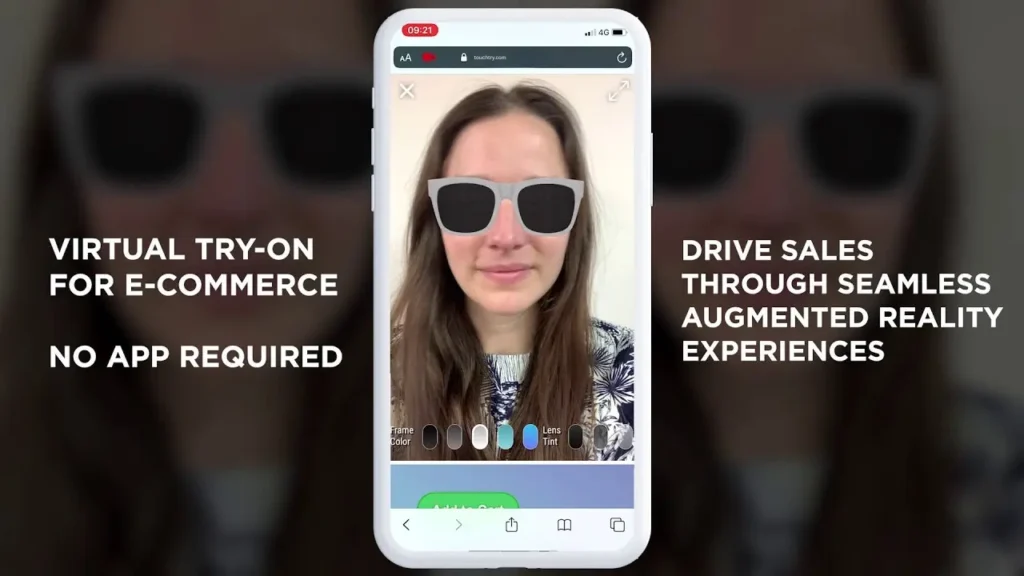
What Is WebAR for Eyewear Brands?
WebAR allows customers to access AR experiences directly through a web browser without downloading any app. Users can simply visit a product page, tap on “Try Now,” and instantly see how frames look on their face using their smartphone camera. This seamless experience removes friction and makes it easy for first-time users to interact with virtual try-on features.
WebAR vs App-Based AR for Eyewear Brands often starts with accessibility, and WebAR clearly leads in this area because it requires no installation and works across devices instantly.
What Is App-Based AR for Eyewear Brands?
App-based AR requires users to download a dedicated mobile application before accessing virtual try-on features. These apps often offer advanced capabilities such as better face tracking, saved preferences, and personalized recommendations. While the experience can be more immersive, the initial step of downloading the app can create a barrier for new users.
When comparing WebAR vs App-Based AR for Eyewear Brands, app-based solutions are typically stronger in depth of experience but weaker in accessibility.
Key Difference: Accessibility vs Depth
The core difference in WebAR vs App-Based AR for Eyewear Brands lies in accessibility versus advanced functionality. WebAR focuses on instant access and ease of use, while app-based AR emphasizes deeper engagement and personalization.
WebAR advantages:
- No app download required
- Instant access via browser
- Works across multiple devices
- Ideal for new users
App-based AR advantages:
- Advanced tracking accuracy
- Personalized user experience
- Ability to save preferences
- Better long-term engagement
App-based AR advantages:
- Advanced tracking accuracy
- Personalized user experience
- Ability to save preferences
- Better long-term engagement
Which Converts Better for Eyewear Ecommerce?
When evaluating WebAR vs App-Based AR for Eyewear Brands, WebAR generally delivers higher overall conversions. The reason is simple—more users actually use it. Since there is no friction of downloading an app, a larger percentage of visitors engage with the try-on feature, leading to increased purchase intent.
However, app-based AR can show higher conversion rates among users who have already installed the app. These users are more engaged and familiar with the brand, making them more likely to complete purchases.
Conversion comparison:
- WebAR → Higher reach + more users → higher total conversions
- App AR → Lower reach but higher intent → deeper engagement
Impact on Customer Journey
The customer journey plays a critical role in conversion optimization. WebAR simplifies this journey by allowing users to try eyewear instantly from the product page. This reduces drop-offs and keeps the experience smooth.
App-based AR adds an extra step—downloading the app—which can lead to user drop-off, especially for first-time visitors. However, once inside the app, the experience becomes more personalized and engaging.
Engagement and User Experience
Engagement is another key factor in WebAR vs App-Based AR for Eyewear Brands. WebAR encourages quick interactions, allowing users to try multiple frames without effort. This increases exploration and time spent on the website.
App-based AR offers deeper engagement through features like saved try-ons, recommendations, and better performance. While fewer users may access it, those who do are highly engaged.
Engagement differences:
- WebAR → Quick, high-volume interactions
- App AR → Deep, personalized engagement
Cost and Implementation
From a business perspective, WebAR is more cost-effective and easier to implement. It does not require app development, maintenance, or updates through app stores. Brands can deploy updates instantly through their website.
App-based AR requires higher investment in development, ongoing maintenance, and marketing to drive app downloads. This increases overall cost but can provide long-term value for loyal customers.
Which One Should Eyewear Brands Choose?
The best choice in WebAR vs App-Based AR for Eyewear Brands depends on your business goals.
- If your goal is to attract new customers and increase conversions quickly, WebAR is the better option.
- If your focus is on retention, personalization, and long-term engagement, app-based AR is valuable.
Many successful brands use a hybrid strategy—WebAR for acquisition and app-based AR for retention.
Future of AR in Eyewear E-commerce
The future of WebAR vs App-Based AR for Eyewear Brands will likely involve a combination of both technologies. WebAR is rapidly improving and closing the gap with app-based experiences, while apps continue to offer deeper personalization.
Brands that integrate both solutions strategically will be able to maximize conversions, engagement, and customer satisfaction.
Conclusion
The debate around WebAR vs App-Based AR for Eyewear Brands ultimately comes down to accessibility versus depth. WebAR wins in terms of reach, ease of use, and overall conversions, while app-based AR excels in personalization and long-term engagement. For most eyewear brands, starting with WebAR is the fastest way to scale conversions, while app-based solutions can support deeper customer relationships over time. Combining both approaches can create a powerful and complete AR strategy.
FAQ
1 What is WebAR in eyewear ecommerce?
WebAR allows users to try eyewear directly in a browser without downloading an app.
2 Which converts better, WebAR or app-based AR?
WebAR generally converts better due to ease of access and higher usage.
3 Is app-based AR more advanced?
Yes, it offers better personalization and deeper engagement features.
4 Should brands use both WebAR and app AR?
Yes, a hybrid approach helps maximize both conversions and retention.