
WebAR for Furniture Stores: How Browser-Based AR Improves PDP Conversion
Furniture ecommerce customers often spend a long time deciding before purchasing because furniture is a high-value product and room fit matters a lot. A customer may like a sofa or bed online, but still hesitate because product images cannot fully explain actual size inside a real room. This hesitation becomes even stronger when the buyer is shopping from mobile, where screen space is limited and dimensions are harder to imagine. That is why WebAR for furniture stores is becoming one of the most effective solutions for modern ecommerce brands. Browser-based augmented reality allows shoppers to instantly view furniture in their own room without installing an app, making product understanding much easier and faster.
What Is WebAR for Furniture Stores?
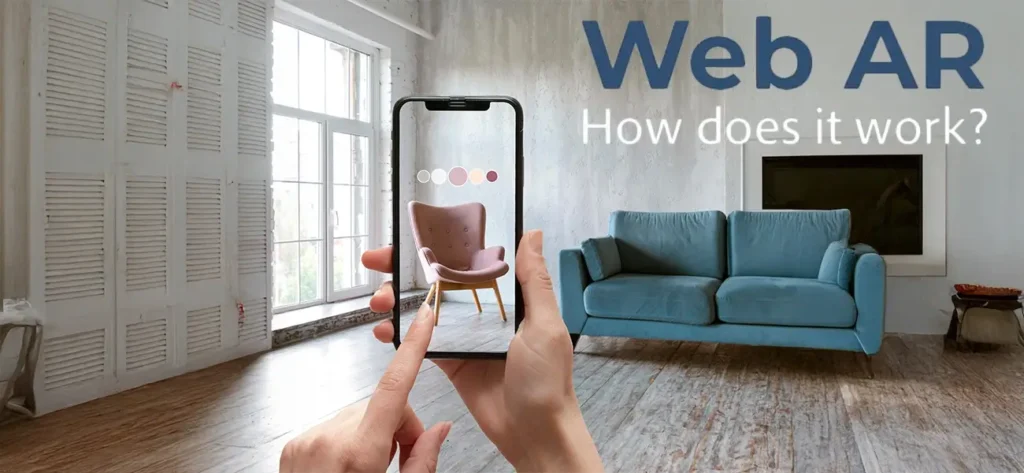
WebAR for furniture stores is augmented reality technology that works directly inside a web browser. Instead of downloading a separate mobile app, customers simply open a product page and click a “View in Your Room” option. The phone camera then activates and places a 3D furniture model into the customer’s real environment. This helps users understand exact product scale, room position, and visual appearance. Because everything happens directly on the browser, the process feels simple, fast, and highly user-friendly for first-time visitors.
Why Furniture Buyers Hesitate on Product Detail Pages
Furniture buyers often hesitate because a product detail page cannot always answer practical room-related questions. Even if dimensions are written clearly, many customers still struggle to imagine whether a bed, sofa, or dining table will actually fit in their room. Product photos are taken in styled studio setups, which may not match the buyer’s real home environment. Customers also worry about walking space, wall matching, and furniture alignment with existing decor. These uncertainties often delay decisions and increase cart abandonment on furniture websites.
How WebAR Improves PDP Conversion
When customers use WebAR for furniture stores, they become more confident because they can see the product directly inside their own room before buying. This removes guesswork from the purchase process and turns a simple product page into an interactive experience. A customer can rotate the furniture, move it closer to a wall, and check spacing around it instantly. This visual confidence often leads to faster decision-making and stronger purchase intent. As a result, furniture brands usually see higher product detail page conversion rates after adding WebAR functionality.
Browser-Based AR Removes App Download Friction
One of the biggest advantages of WebAR is that customers do not need to install any app before trying the feature. Many shoppers leave websites when asked to download an application, especially if they only want to test one product quickly. Browser-based AR removes this extra step completely and allows immediate product interaction. This creates a smoother mobile shopping experience and keeps users engaged on the website longer. For furniture brands, reducing friction directly improves user retention and conversion opportunities.
WebAR Helps Reduce Furniture Returns
Furniture returns often happen because customers misjudge product size or appearance before ordering. A bed may look perfect online but feel too large after delivery, or a headboard may not match wall proportions. With WebAR for furniture stores, customers already test the furniture in their actual room before placing the order. This helps them understand whether the product truly fits both physically and visually. When expectations match reality, return rates naturally become lower, saving cost for both customers and brands.
Why WebAR Is Important for Mobile Furniture Shopping
Today most furniture browsing happens on smartphones, which makes mobile shopping experience extremely important. Mobile users usually want quick, simple, and visual product understanding without too much effort. WebAR supports this behavior perfectly because it works directly through the mobile browser. Customers can instantly switch from product images to live room visualization within seconds. This makes furniture shopping more engaging and practical, especially for buyers comparing multiple products before purchase.
Best Furniture Categories for WebAR
Some furniture products benefit more from WebAR because room fit directly affects purchase decisions. Beds and sofas are strong examples because they occupy large space and influence movement inside a room. Dining tables also need proper clearance for seating and walking space. Wardrobes, TV units, and headboards also perform well because customers want to check wall alignment and size before ordering. In all these categories, WebAR improves confidence and helps customers choose more accurately.
Conclusion
WebAR for furniture stores is becoming an essential tool for improving furniture ecommerce performance because it directly solves one of the biggest online buying problems—fit hesitation. Browser-based AR gives customers instant room visualization without app downloads, which improves engagement and trust. It also helps brands increase PDP conversion by turning product pages into decision-making tools instead of just information pages. For furniture businesses competing online, WebAR now plays an important role in increasing sales and reducing returns.
FAQ
1 What is WebAR for furniture stores?
WebAR allows customers to view furniture in their room directly through a browser without installing an app.
2 Does WebAR increase furniture sales?
Yes, WebAR improves customer confidence and usually helps increase product page conversions.
3 Why is WebAR better than app-based AR?
It works instantly inside the browser, which removes app download barriers.
4 Which furniture products need WebAR most?
Beds, sofas, dining tables, wardrobes, and other large furniture products benefit the most.