
Jewelry AR Trends to Watch in 2026 and Beyond
Introduction
The jewelry industry is rapidly embracing digital innovation, and Jewelry AR (Augmented Reality) is leading the transformation of online shopping experiences. Customers no longer want to rely solely on product images when purchasing rings, necklaces, bracelets, or earrings. They expect interactive experiences that allow them to visualize jewelry before making a purchase. As e-commerce continues to grow, Jewelry AR is becoming an essential tool for brands looking to increase customer confidence, improve conversions, and reduce product returns.
In 2026 and beyond, advancements in augmented reality and artificial intelligence will make Jewelry AR even more realistic and accessible. From AI-powered recommendations to highly accurate 3D rendering, these innovations will help jewelry retailers deliver personalized shopping experiences while staying competitive in the evolving e-commerce market. Understanding these trends can help brands prepare for the future and meet rising customer expectations.
Why Jewelry AR Is Becoming Essential
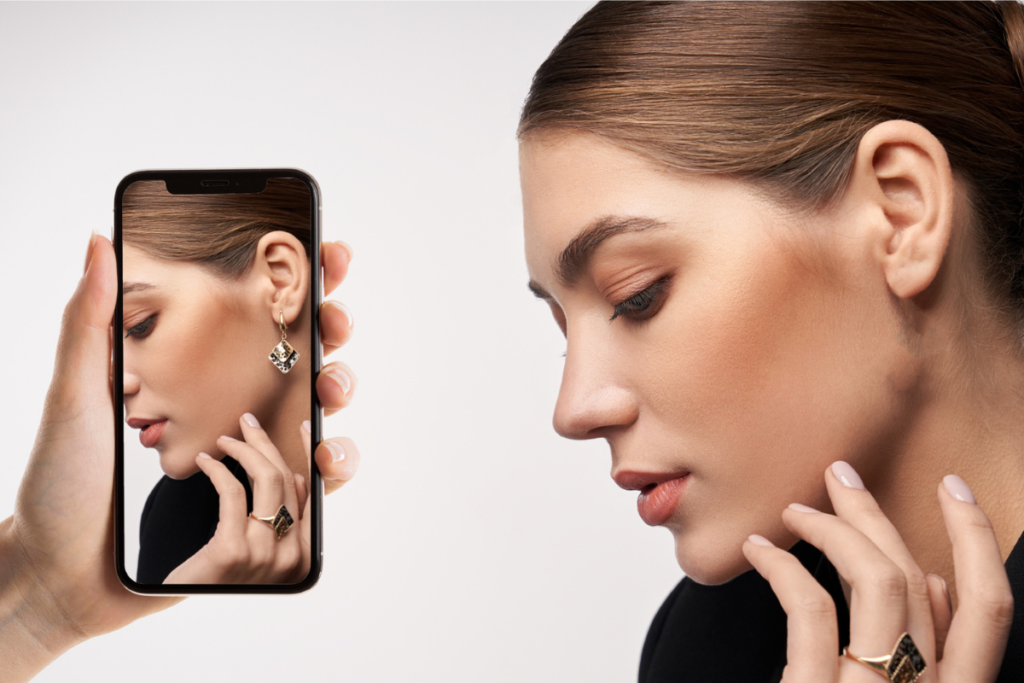
Online jewelry shopping often involves uncertainty because customers cannot physically try on products. Jewelry AR bridges this gap by allowing shoppers to virtually wear rings, necklaces, earrings, and bracelets using their smartphone or computer camera. This immersive experience helps customers make informed purchasing decisions and builds trust in online stores.
Top Jewelry AR Trends for 2026 and Beyond
1. AI-Powered Jewelry Recommendations
Artificial intelligence will work alongside Jewelry AR to recommend jewelry based on customer preferences, previous purchases, face shape, skin tone, and fashion style. These personalized suggestions will improve product discovery and increase customer satisfaction.
2. Hyper-Realistic 3D Visualization
Future Jewelry AR solutions will feature highly detailed 3D models with realistic lighting, reflections, and gemstone sparkle. This level of realism will give customers a better understanding of how jewelry will appear in real life.
3. Multi-Product Virtual Styling
Instead of trying on one item at a time, customers will be able to wear complete jewelry sets virtually. They can combine rings, necklaces, bracelets, and earrings to create coordinated looks before making a purchase.
4. Cross-Platform Shopping Experiences
Jewelry AR will provide a consistent experience across e-commerce websites, mobile apps, social media platforms, and online marketplaces. Customers can start their shopping journey on one device and continue seamlessly on another.
5. Faster Mobile AR Experiences
Improved smartphone hardware and optimized AR technology will enable faster loading times, smoother interactions, and better performance, making virtual try-ons more convenient for mobile shoppers.
How Jewelry AR Benefits Jewelry Brands
Jewelry retailers adopting AR technology can improve the overall customer experience while achieving measurable business growth. The key benefits include:
- Higher online conversion rates
- Increased customer engagement
- Reduced product returns
- Stronger customer confidence
- Better product visualization
These advantages make Jewelry AR a valuable investment for brands of all sizes.
The Future of Jewelry E-commerce
As technology continues to evolve, Jewelry AR will become a standard feature for online jewelry stores rather than a premium addition. Customers will expect realistic virtual try-ons, personalized recommendations, and seamless shopping experiences across multiple devices. Brands that adopt these innovations early will be better positioned to attract modern shoppers and build long-term customer loyalty.
Conclusion
The future of online jewelry shopping is becoming more immersive, interactive, and customer-focused. Jewelry AR is no longer just an emerging technology—it is becoming a powerful e-commerce tool that helps shoppers make confident purchasing decisions while enabling brands to increase sales and reduce returns. By keeping up with the latest JewelryAR trends in 2026 and beyond, jewelry retailers can create exceptional shopping experiences and stay ahead in an increasingly competitive market.
Frequently Asked Questions (FAQs)
1. What is Jewelry AR?
Jewelry AR (Augmented Reality) is a technology that allows customers to virtually try on rings, necklaces, earrings, bracelets, and other jewelry using a smartphone, tablet, or computer camera before making a purchase.
2. Why is Jewelry AR becoming more popular in 2026?
Jewelry AR is gaining popularity because it improves online shopping by offering realistic virtual try-ons, increasing customer confidence, reducing returns, and creating personalized shopping experiences.
3. How will AI enhance Jewelry AR in the future?
AI will enhance Jewelry AR by providing personalized jewelry recommendations based on customer preferences, style, skin tone, shopping history, and real-time virtual try-on data.
4. Can Jewelry AR help increase online jewelry sales?
Yes. Jewelry AR allows customers to visualize products before purchasing, which improves confidence, increases engagement, and often leads to higher conversion rates.
5. What are the biggest Jewelry AR trends to watch in 2026 and beyond?
Key trends include AI-powered recommendations, hyper-realistic 3D visualization, multi-product virtual styling, cross-platform AR experiences, and faster mobile virtual try-on technology.
6. Why should jewelry brands invest in Jewelry AR?
Jewelry brands should invest in Jewelry AR to deliver a modern shopping experience, improve customer satisfaction, reduce product returns, strengthen brand loyalty, and stay competitive in the evolving e-commerce market.