
The Home-Office Fit Problem: Desks and Storage Have to Work Around the Room
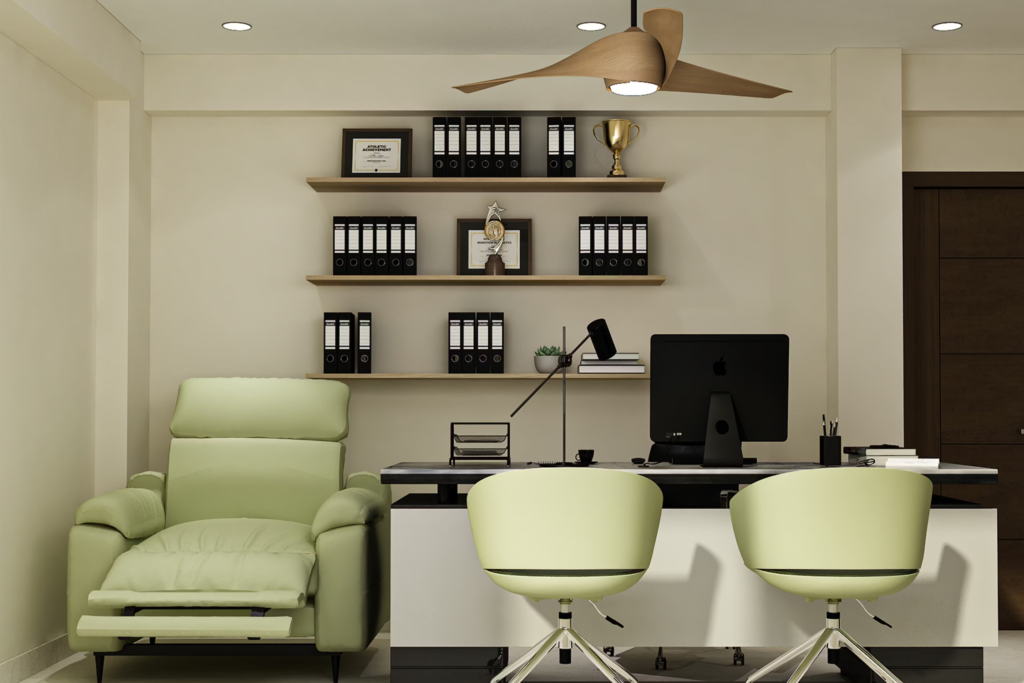
Introduction
Working from home has become a regular part of life for many people. Whether you work remotely, run a small business, or need a quiet place to study, having a comfortable home office can make your daily routine easier. However, creating a functional workspace is not always simple. The biggest challenge is finding a desk and storage furniture that fit your room without making it feel crowded.
Many people choose office furniture based on its appearance, price, or storage capacity. But once the furniture arrives, they realize that the desk is too wide, the drawers block movement, or the storage unit takes up valuable space. This is the home-office fit problem, where furniture needs to work around the room rather than forcing the room to work around the furniture.
Why Home Office Furniture Needs to Fit the Room
Every home has a different layout. Some people have a separate room for their office, while others create a workspace in a bedroom, living room, or small apartment. The same desk that works perfectly in a spacious office may feel uncomfortable in a compact bedroom.
Room dimensions, window placement, electrical outlets, doors, and walking paths all affect furniture placement. A large desk might provide plenty of working space, but it can block natural light or make it difficult to move around. Similarly, a storage cabinet may offer enough room for files and office supplies but leave little space for a comfortable chair.
Before purchasing furniture, it is important to understand how much space is available and how the room will be used. The goal is to create a workspace that supports productivity without sacrificing comfort or the overall appearance of your home.
Choosing the Right Desk for Your Home Office
A desk is usually the main piece of furniture in a home office. It needs to provide enough space for your computer, monitor, keyboard, and other essentials while leaving sufficient room for movement.
For smaller rooms, compact desks, wall-mounted desks, and corner desks can be practical choices. A corner desk makes use of an area that might otherwise remain unused, while a wall-mounted design can help maintain an open and uncluttered appearance.
If your work involves multiple monitors, documents, or creative equipment, you may need a larger work surface. However, choosing the biggest desk available is not always the best solution. The desk should match your actual working requirements and the dimensions of your room.
It is also important to consider the height of the desk and the space underneath it. You should be able to sit comfortably, position your legs naturally, and move your chair without constantly hitting drawers or cabinets.
Smart Storage Solutions for Limited Space
Storage is another major challenge when designing a home office. Documents, books, stationery, chargers, and electronic accessories can quickly occupy the available workspace. Without a proper storage system, even a large desk can become cluttered.
Instead of adding several bulky cabinets, consider furniture that makes better use of vertical space. Wall shelves, floating cabinets, and tall storage units can provide additional room without taking up too much floor area.
Under-desk drawers and compact filing cabinets can also help keep essential items within reach. If you regularly use only a few items, keep them close to your desk and store less frequently used belongings elsewhere.
The best storage solution depends on your work habits. Someone who works mainly on a laptop may need very little storage, while a designer, teacher, or business owner may require shelves, files, and additional equipment space.
Planning storage around your daily routine can help you avoid buying unnecessary furniture and make your workspace easier to maintain.
Custom Furniture for Unusual Room Layouts
Ready-made furniture is convenient, but standard sizes do not always suit every room. Homes with narrow corners, sloping walls, small alcoves, or unusual layouts may require a more flexible approach.
Custom furniture can help solve these problems by allowing desk dimensions, shelving, and storage compartments to match the available space. For example, a desk can be designed to fit between two walls, or shelves can be installed above the work surface to create additional storage.
A custom home-office setup can also combine several functions in one design. A desk with integrated drawers and overhead shelving may reduce the need for separate furniture pieces. In a small bedroom, a compact workstation can be designed to blend with the existing furniture rather than looking like a separate office.
Before choosing custom furniture, measure the room carefully and consider how the workspace might change in the future. You may need additional equipment, more storage, or a larger monitor as your work requirements evolve.
Making a Small Home Office Feel Bigger
A small home office does not have to feel cramped. The right furniture choices, placement, and visual details can make a limited space feel more open.
Start by avoiding unnecessary furniture. A single well-designed desk with integrated storage may be more useful than a desk, a separate drawer unit, and a large cabinet. Keeping the floor area clear can also make the room feel less crowded.
Light-colored furniture, simple designs, and open shelving can create a lighter visual effect. Placing a desk near a window may improve access to natural light, provided that screen glare is managed properly.
Cable management is another detail worth considering. Loose wires can make even a carefully arranged office look messy. Cable trays, clips, and built-in wire openings help keep cables organized and the work surface clear.
Finally, leave enough space to move comfortably. A home office should not only look attractive in photographs; it should also support everyday work without unnecessary obstacles.
Balancing Design, Comfort, and Functionality
Home-office furniture should match the style of your home while meeting practical requirements. A modern desk may look appealing, but it is not a good choice if it lacks enough working space. Similarly, a large storage cabinet may solve organizational problems but make the room feel unbalanced.
Think about the relationship between the desk, chair, shelves, lighting, and other furniture. Each piece should have a clear purpose and fit naturally into the layout.
Comfort should also remain a priority. Choose a suitable chair, maintain a comfortable screen position, and ensure that frequently used items are easy to reach. Good furniture planning can help reduce unnecessary movement and make long working hours more manageable.
For people who work from home every day, investing in a practical setup can be more valuable than purchasing furniture based on appearance alone.
How Augmented Reality Can Help You Plan Home-Office Furniture
One of the biggest difficulties when purchasing furniture online is imagining how a product will look and fit inside your actual room. Product photographs may show a beautiful desk in a spacious setting, but they do not always help you understand how it will work in your home.
Augmented reality (AR) can make this decision easier by allowing shoppers to visualize furniture in their own space using a compatible smartphone or device. Instead of relying only on product images, customers can view a digital representation of a desk, cabinet, or shelving unit within their room.
This can help shoppers evaluate the furniture’s appearance, placement, and relationship with existing objects before making a purchase. It may also help them compare different designs and identify potential layout problems earlier.
For furniture retailers, AR-based product visualization offers a useful way to help customers make more informed decisions. Platforms such as TouchTry can support more interactive shopping experiences by helping customers visualize products in their intended environment.
Although AR does not replace accurate measurements, it can make the furniture selection process more intuitive and help reduce uncertainty when shopping online.
Conclusion
The home-office fit problem is not simply about finding a desk that fits into an empty corner. It is about choosing furniture that supports your work, provides practical storage, and allows the room to remain comfortable and functional.
By measuring your space, understanding your daily needs, choosing suitable storage, and considering custom furniture when necessary, you can create a workspace that works with your home rather than against it.
For furniture shoppers, tools such as augmented reality can make it easier to visualize potential purchases before buying. For retailers, helping customers understand how furniture fits into their homes can create a more confident and convenient shopping experience.
Ultimately, the best home office is not necessarily the one with the most furniture. It is the one where every piece serves a purpose, fits the available space, and makes everyday work easier.
Frequently Asked Questions (FAQs)
1. How do I choose the right desk for a small home office?
Measure your available space before buying a desk. Consider compact desks, corner desks, or wall-mounted designs that provide enough working space without making the room feel crowded.
2. What is the best way to add storage to a small home office?
Use vertical storage solutions such as wall shelves, floating cabinets, and tall storage units. Under-desk drawers can also help organize office supplies while keeping the floor area clear.
3. Is custom furniture a good option for a home office?
Yes, custom furniture can be useful for rooms with unusual layouts or limited space. It allows you to adjust desk dimensions, storage compartments, and shelving to suit your specific requirements.
4. How can I make my home office look bigger?
Choose compact furniture, light colors, and simple designs. Keep the floor uncluttered, organize cables, and use wall-mounted storage to maximize available space.
5. How can I check whether furniture will fit my room before buying it?
Measure your room and compare its dimensions with the furniture specifications. Augmented reality (AR) tools, such as those offered through TouchTry, can help you visualize furniture in your space before making a purchase.
6. How does AR help when shopping for home-office furniture?
AR allows shoppers to visualize digital furniture models in their actual surroundings using compatible devices. This can help them evaluate placement, appearance, and how different furniture designs may work within their room