
WebAR vs App-Based Virtual Try-On for Clothing Brands: Which Converts Better?
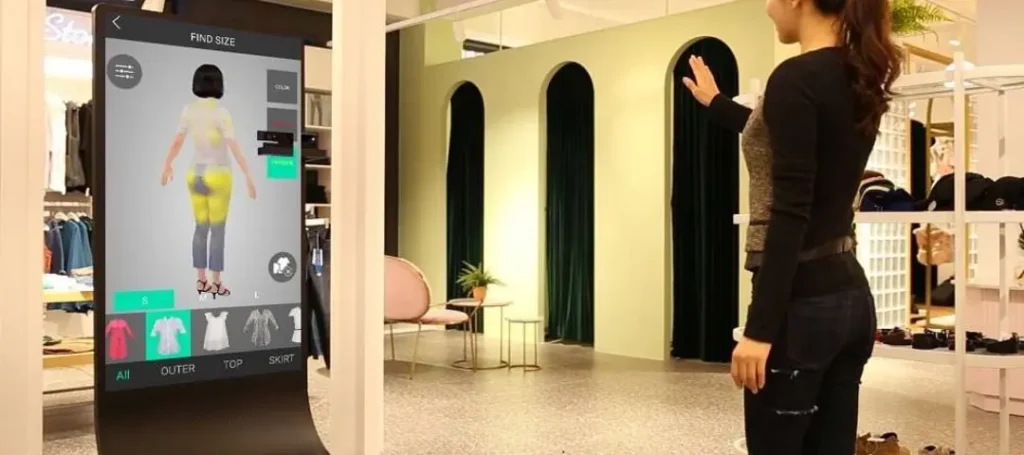
As fashion ecommerce continues to grow, brands are constantly looking for ways to improve customer experience and increase conversions. One of the biggest innovations in this space is virtual try-on technology, which allows customers to see how clothing looks on them before buying. However, brands often face an important decision: should they use browser-based AR (WebAR) or build an app-based AR experience? This comparison is crucial because the choice directly impacts user engagement, ease of access, and ultimately conversions. That is why understanding webar-vs-app-ar-clothing-brands is essential for any fashion business aiming to scale online.
What Is WebAR for Clothing Brands?
WebAR is augmented reality that works directly in a web browser without requiring users to download an app. Customers can visit a product page, tap a “Try Now” button, and instantly access the virtual try-on experience using their smartphone camera. This makes the process fast and frictionless, especially for first-time visitors who do not want to install an app just to try a product.
For clothing brands, WebAR is ideal for quick adoption and wider reach. It ensures that any customer with a smartphone can access the feature immediately, which helps improve engagement and reduce drop-offs.
What Is App-Based Virtual Try-On?
App-based virtual try-on requires customers to download a mobile application before using AR features. These apps often provide more advanced capabilities, such as better tracking, saved preferences, and personalized recommendations. While the experience can be more immersive, it adds an extra step to the customer journey, which may reduce initial engagement.
App-based AR is usually more suitable for brands with strong customer loyalty, where users are willing to install and regularly use the app.
Key Difference: Accessibility vs Experience
The main difference in webar-vs-app-ar-clothing-brands comes down to accessibility versus depth of experience. WebAR is easy to access and works instantly, making it perfect for attracting new customers. App-based AR, on the other hand, offers a richer and more controlled experience but requires commitment from the user.
If a customer is browsing casually, they are more likely to try WebAR because it does not require effort. However, loyal customers may prefer an app if it offers additional features and personalization.
Which Converts Better for Clothing Brands?
When it comes to conversions, WebAR often performs better at the top and middle of the funnel. Since users can access it instantly, more people engage with the feature, leading to higher interaction rates. This increased engagement often translates into better product understanding and improved purchase decisions.
On the other hand, app-based AR may deliver higher conversion rates among existing users who have already downloaded the app. These users are more committed and familiar with the brand, making them more likely to complete purchases.
In most cases, webar-vs-app-ar-clothing-brands shows that WebAR drives more overall conversions due to its accessibility, while app-based AR performs better for retention and repeat customers.
Impact on Customer Experience
WebAR provides a quick and seamless experience, which is crucial for modern shoppers who prefer speed and convenience. Customers can try clothes instantly and continue browsing without interruptions. This smooth journey helps reduce friction and keeps users engaged.
App-based AR offers a more personalized experience, with features like saved try-ons, recommendations, and better performance. However, the initial barrier of downloading the app can discourage many potential customers from even trying the feature.
Effect on Return Rates
Both WebAR and app-based AR help reduce return rates by improving fit and style understanding. However, WebAR has a wider impact because more users actually use it. When more customers try products virtually, fewer mistakes are made during purchase.
App-based AR can provide slightly more accurate results due to advanced features, but its limited reach may reduce its overall impact on returns.
Cost and Implementation
WebAR is generally faster and more cost-effective to implement, especially for brands using e-commerce platforms like Shopify. It does not require users to install anything, and updates can be managed directly through the website.
App-based AR requires higher investment in development, maintenance, and user acquisition. Brands also need to encourage customers to download and use the app, which can increase marketing costs.
Which One Should You Choose?
The answer depends on your business goals. If your focus is on attracting new customers and improving conversion rates quickly, WebAR is the better choice. It offers instant access and higher engagement, making it ideal for growing e-commerce brands.
If your brand already has a strong customer base and you want to build a deeper, more personalized experience, app-based AR can be a valuable addition.
Many successful brands use a hybrid approach, offering WebAR for new users and app-based AR for loyal customers.
Conclusion
The debate around webar-vs-app-ar-clothing-brands ultimately comes down to accessibility versus depth. WebAR wins in terms of reach, ease of use, and overall conversion impact, while app-based AR excels in personalization and customer retention. For most clothing brands, starting with WebAR is the fastest way to improve ecommerce performance, while app-based solutions can be added later for long-term growth.
FAQ
1 What is the difference between WebAR and app-based AR?
WebAR works directly in a browser without downloads, while app-based AR requires installing an application.
2 Which is better for conversions?
WebAR generally performs better because it is easier to access and attracts more users.
3 Does AR reduce clothing returns?
Yes, both WebAR and app-based AR help customers understand fit and style, reducing return rates.
4 Should clothing brands use both WebAR and app AR?
Yes, a hybrid approach can maximize both new customer acquisition and long-term engagement.