
How Virtual Try-On Helps Fashion Brands Build Customer Trust
Introduction
Trust is one of the most important factors influencing online fashion purchases. While e-commerce has made it easier for customers to shop for clothing from anywhere, many shoppers still hesitate to complete their orders because they cannot see how an outfit will look or fit before buying. Concerns about size, style, color, and overall appearance often lead to abandoned carts and higher return rates. Virtual Try-On technology is helping fashion brands overcome these challenges by providing customers with a realistic and interactive shopping experience that builds confidence before purchase.
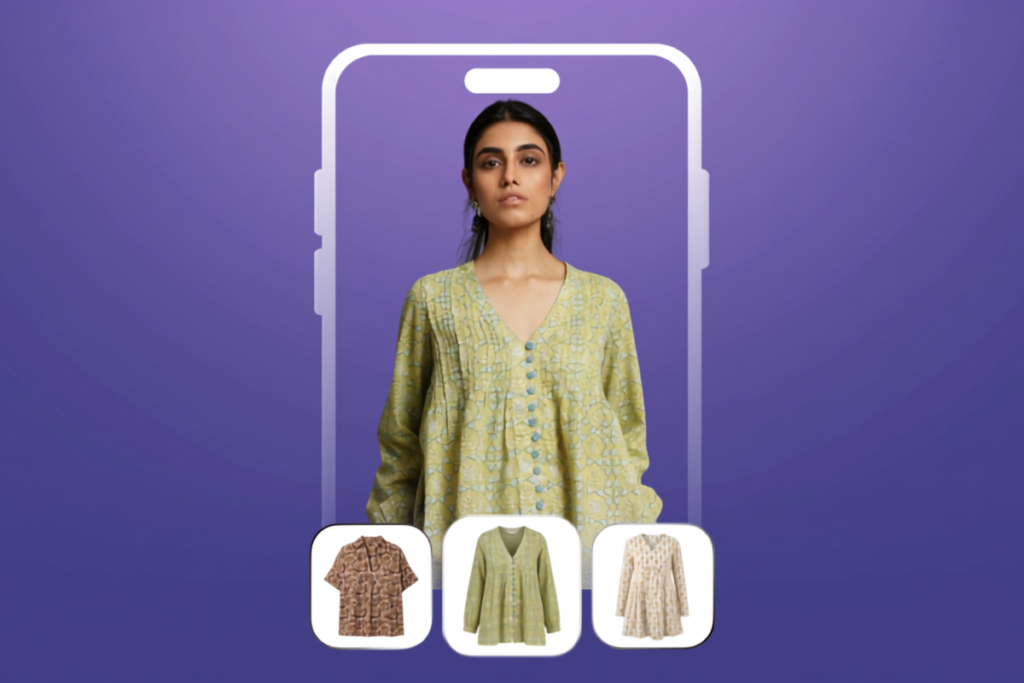
Using Virtual Try-On, shoppers can see how clothing looks on themselves through augmented reality (AR) or AI-powered visualization. Instead of relying only on product images or size charts, customers can explore different outfits, compare styles, and make informed buying decisions. As a result, fashion brands can create stronger customer relationships, increase online sales, and establish long-term trust.
What Is Virtual Try-On?
Virtual Try-On is a technology that enables customers to digitally try on clothing using a smartphone, tablet, or computer camera. Powered by augmented reality and artificial intelligence, it overlays garments onto the shopper or creates realistic visualizations of how an outfit may look. This interactive experience brings online shopping closer to the experience of trying clothes in a physical store.
Why Customer Trust Matters in Fashion E-commerce
Fashion shoppers want confidence that the product they order will match their expectations. When customers cannot try on clothes before purchasing, they often worry about fit, sizing, fabric appearance, and style. These concerns can delay purchasing decisions or discourage shoppers from completing their orders. Virtual Try-On helps eliminate much of this uncertainty by giving customers a realistic preview of the clothing before checkout.
How Virtual Try-On Builds Customer Trust
One of the biggest advantages of Virtual Try-On is that it creates transparency during the shopping journey. Customers can see how garments look from different angles, compare multiple styles, and understand how colors and designs complement their appearance. This realistic product visualization helps shoppers make informed decisions, increasing confidence and reducing hesitation. As customers become more satisfied with their purchases, they are more likely to return for future orders and recommend the brand to others.
Benefits for Fashion Brands
Fashion retailers that implement Virtual Try-On often experience improved customer engagement, higher conversion rates, and lower return rates. Customers spend more time interacting with products, explore additional collections, and feel more comfortable purchasing online. Virtual Try-On also strengthens brand credibility by demonstrating a commitment to innovation and customer satisfaction, helping brands stand out in the competitive fashion e-commerce market.
Best Practices for Implementing Virtual Try-On
To maximize the benefits of Virtual Try-On, fashion brands should use accurate 3D garment models or AI-powered visualization technology that represents colors, textures, and fit as realistically as possible. The feature should work smoothly across smartphones, tablets, and desktop devices while remaining easy to access from product pages. Brands should also continuously analyze customer engagement and feedback to improve the virtual shopping experience over time.
The Future of Virtual Try-On in Fashion
As augmented reality and artificial intelligence continue to evolve, Virtual Try-On will become even more advanced and personalized. Future innovations may include AI-powered outfit recommendations, personalized sizing suggestions, virtual wardrobes, and realistic fabric simulations. These technologies will further enhance customer confidence while helping fashion brands deliver exceptional online shopping experiences.
Conclusion
Building customer trust is essential for long-term success in fashion ecommerce, and Virtual Try-On has become one of the most effective ways to achieve it. By allowing shoppers to visualize clothing before making a purchase, brands can reduce uncertainty, improve customer satisfaction, and encourage confident buying decisions. As digital shopping continues to grow, investing in Virtual Try-On technology will help fashion brands strengthen customer relationships, increase conversions, and remain competitive in the evolving e-commerce landscape.
Frequently Asked Questions (FAQs)
1. What is Virtual Try-On in fashion ecommerce?
Virtual Try-On is a technology that allows customers to digitally try on clothing using augmented reality (AR) or AI-powered visualization before making a purchase.
2. How does Virtual Try-On help fashion brands build customer trust?
Virtual Try-On gives shoppers a realistic preview of how clothing will look, reducing uncertainty about style, fit, and appearance. This transparency helps build confidence and trust in the brand
3. Can Virtual Try-On increase online fashion sales?
Yes. By helping customers make informed purchase decisions, Virtual Try-On improves confidence, reduces cart abandonment, and can lead to higher conversion rates.
4. Does Virtual Try-On reduce clothing returns?
Yes. When customers can visualize clothing before purchasing, they are more likely to choose the right product, helping reduce returns related to fit, style, or appearance.
5. Is Virtual Try-On suitable for all fashion brands?
Absolutely. Whether it’s a startup, D2C brand, or large fashion retailer, Virtual Try-On can enhance the customer experience and improve online shopping performance.
6. Why is Virtual Try-On important for the future of fashion ecommerce?
Virtual Try-On is becoming an essential ecommerce tool because it creates personalized shopping experiences, builds customer trust, increases engagement, and helps fashion brands stay competitive in the digital marketplace