
Virtual Earring Try-On for Online Stores: How to Reduce Style Hesitation Before Checkout
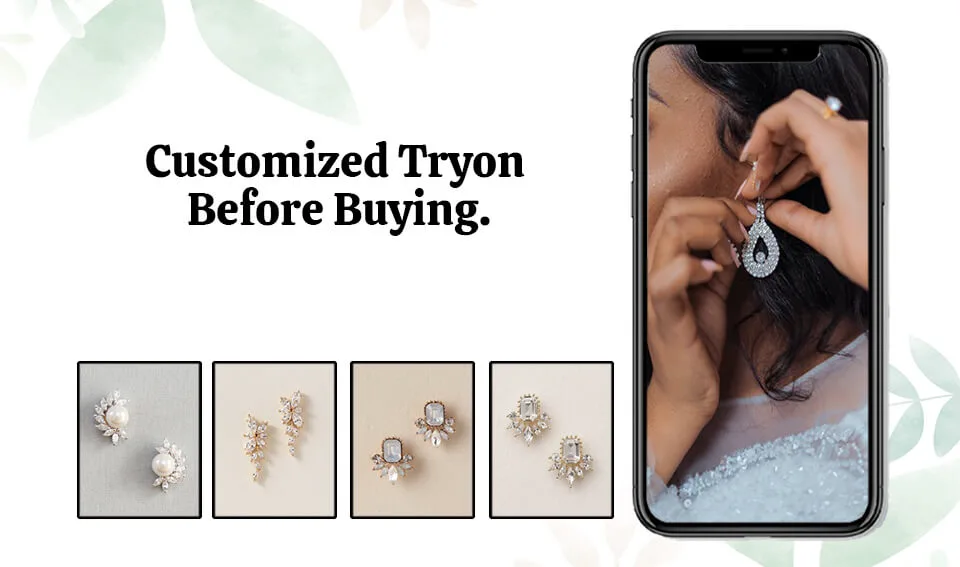
Virtual Earring Try-On for Online Stores is becoming an important solution for jewelry ecommerce brands that want to improve buyer confidence before checkout. Earrings are highly style-driven products, and customers often hesitate because they cannot fully understand how a design will look on their own face through static product photos alone. Even when product images are clear, buyers still question size, drop length, shape, and whether the style matches their face and personal preference. By using augmented reality, online stores can let shoppers virtually wear earrings through a smartphone camera, creating a more interactive shopping experience that helps reduce hesitation and improve product confidence.
Why Virtual Earring Try-On for Online Stores Matters in Jewelry E-commerce
Earrings are one of the most visually sensitive jewelry categories because appearance changes depending on face shape, hairstyle, ear position, and product size. A design that looks attractive in product photography may appear completely different when imagined on an individual customer. This often creates hesitation during the final buying stage, especially when shoppers are comparing multiple designs and trying to choose the most suitable option.
For online jewelry stores, this hesitation directly affects conversion because customers may leave the product page simply because they cannot visualize the final look clearly enough. Virtual Earring Try-On for Online Stores helps solve this problem by giving shoppers an immediate visual answer before checkout. Instead of imagining the product, customers can see how the earrings appear in real time, which creates stronger confidence and improves purchase readiness.
What Is Virtual Earring Try-On for Online Stores?
Virtual earring try-on is an augmented reality shopping feature that allows customers to view earrings on their own face using a mobile camera. The system tracks facial position and places earrings digitally near the ears so shoppers can understand design placement, size, and overall visual balance. This creates a much more personal shopping experience compared to static product viewing.
The process is simple and designed for quick product interaction. A customer opens the product page, taps the try-on button, activates the camera, and instantly sees the earrings placed live on their face. This helps buyers compare styles more naturally and often increases product engagement because the experience feels interactive and realistic.
Why Earrings Are a Strong AR Category for Jewelry Brands
Earrings perform especially well with AR because style selection depends heavily on facial appearance. Small design differences can completely change how a product feels once imagined on the customer. Stud earrings, hoops, drop earrings, and statement pieces all create different visual effects depending on face shape and styling preference.
Because customers care about symmetry, size, and overall style harmony, virtual try-on helps answer important buying questions quickly. This is why many jewelry brands consider earrings one of the strongest AR categories after rings when improving ecommerce product experience.
How Virtual Earring Try-On Improves Buyer Confidence
The main advantage of AR is that it reduces uncertainty during the exact stage where buyers hesitate most. When a shopper can immediately test an earring design, the product becomes easier to evaluate in a personal context. This often helps customers move beyond visual curiosity into stronger purchase confidence.
A product that feels right visually often receives faster buying consideration because the customer no longer depends only on imagination. For premium earrings, statement designs, and gifting products, this added confidence becomes even more valuable because visual certainty directly supports decision-making.
Key Benefits of Virtual Earring Try-On for Online Stores
Virtual Earring Try-On for Online Stores helps ecommerce brands improve product interaction and reduce style hesitation in several important ways:
- Better visual confidence before purchase
- Higher engagement on mobile product pages
- Easier comparison between multiple styles
- Faster decision-making for premium designs
- Stronger emotional connection with products
- Improved product understanding before checkout
These benefits become especially valuable when customers browse multiple earring options and need clearer visual confirmation before making a final choice.
Why Product Photos Alone Often Create Style Hesitation
Traditional jewelry product pages usually include front-view photos, model images, zoom shots, and sometimes short product videos. While these formats explain the product clearly, they still do not fully answer how the earrings will look on a specific customer’s face. Buyers often compare product images repeatedly and still remain unsure about whether the design suits their features.
This hesitation becomes stronger for long earrings, statement pieces, and premium styles where face proportion matters more. Virtual Earring Try-On for Online Stores helps remove this uncertainty by allowing the customer to experience the product directly rather than imagining it through model photography.
Best Earring Categories for Virtual Try-On
Some earring categories create stronger AR engagement because visual differences are more noticeable during face-based testing. Statement earrings usually benefit strongly because size and drop length affect style perception immediately. Hoop earrings also perform well because diameter and facial balance matter during buying decisions.
Other strong categories include:
- Stud earrings
- Drop earrings
- Hoop earrings
- Bridal earrings
- Fashion statement earrings
- Luxury gemstone earrings
These products often involve personal style judgment, which makes AR highly valuable.
Virtual Earring Try-On vs Traditional Product Pages
Traditional product pages allow customers to inspect earring design carefully, but they still depend on product imagination. Even with model photography, customers often ask whether the product will suit their own face shape, hairstyle, and personal style. This creates a visual gap that slows purchase confidence.
With virtual try-on, the product instantly becomes personal because shoppers can see earrings directly on themselves. This makes style testing feel more realistic and helps reduce comparison fatigue during product browsing. For ecommerce stores, this stronger interaction often improves engagement quality because the customer spends more time actively evaluating the product.
Why Jewelry Brands Use AR Before Checkout
Jewelry brands increasingly use AR because customers now expect richer product experiences before buying online. In categories where appearance strongly affects purchase decisions, product confidence becomes just as important as price and design itself. Earrings especially benefit because they are closely tied to face styling and overall visual identity.
AR also supports premium brand positioning because it creates a more modern shopping journey. Customers often perceive brands with virtual try-on features as more advanced and customer-focused.
Why Product Experience Matters More Than Traffic
Many online stores invest in ads to bring traffic, but product pages still determine whether visitors convert. If customers reach a product page and still feel unsure about style, they often delay the purchase or leave to compare elsewhere. This is why product confidence matters after traffic arrives.
Virtual Earring Try-On for Online Stores helps brands improve what happens inside the product page by reducing style hesitation and helping buyers feel more certain before checkout.
For jewelry brands looking to improve digital product experiences, TouchTry helps online stores create interactive try-on experiences for earrings, rings, and other fashion accessories. Brands can also explore AR product visualization solutions through TouchTry to improve ecommerce engagement.
Final Thoughts
Virtual Earring Try-On for Online Stores solves a very practical ecommerce challenge because it helps customers understand style more clearly before buying. Earrings are personal products, and visual confidence strongly affects whether a customer moves toward checkout.
As jewelry ecommerce becomes more competitive, brands that improve style confidence often create stronger conversion opportunities by helping shoppers feel certain at the moment of decision.