
Virtual Ring Try-On for E-commerce: The Best Use Case in Jewelry AR
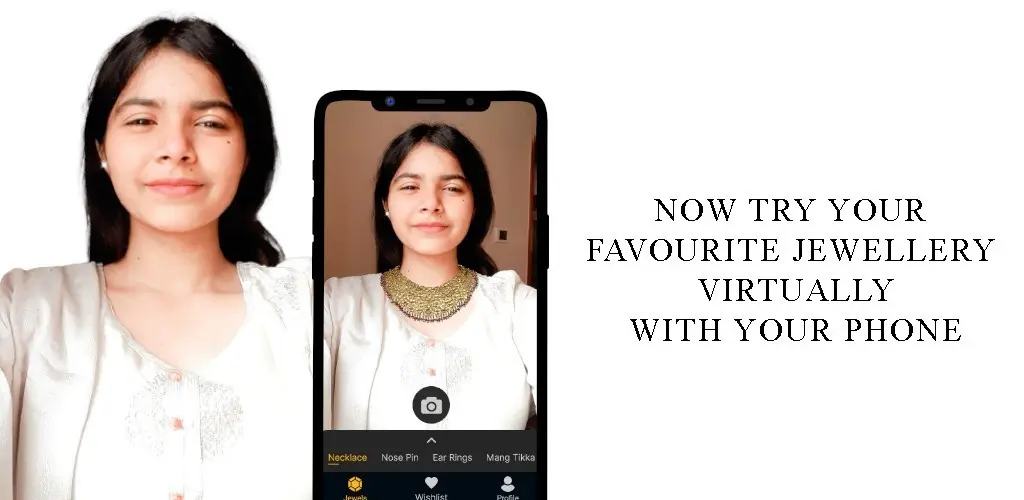
Virtual Ring Try-On for E-commerce is becoming one of the most valuable technologies for online jewelry brands because it helps customers make buying decisions with more confidence. Rings are highly visual products, and shoppers often hesitate when they cannot understand how a design will look on their own hand. Even detailed product photos cannot fully answer questions about style, proportion, and overall appearance. By using augmented reality, e-commerce stores can allow customers to virtually wear rings through a smartphone camera, making the product experience more interactive and closer to in-store shopping.
Why Virtual Ring Try-On for E-commerce Matters in Jewelry Selling
Jewelry ecommerce depends heavily on trust because customers cannot physically touch or wear products before buying. Rings are even more sensitive because buyers usually want to see how a design looks in relation to their fingers, skin tone, and personal style. When this visual confidence is missing, many visitors leave the product page without completing a purchase. This hesitation becomes stronger when the ring is expensive or intended for gifting, engagement, or special occasions where design choice matters deeply.
A strong product image may attract clicks, but it often does not remove the final uncertainty that prevents conversion. Customers may like the ring but still ask themselves whether the stone looks too large, whether the band appears elegant, or whether the overall design suits their hand. Virtual Ring Try-On for E-commerce helps solve this by giving an instant visual answer inside the product page itself. That direct interaction helps reduce hesitation and improves confidence at the most important stage of the buying journey.
What Is Virtual Ring Try-On for E-commerce?
Virtual ring try-on is an augmented reality shopping feature that allows a customer to place a digital ring on their finger using a mobile phone camera. The technology uses finger tracking to position the ring realistically and helps shoppers move their hand naturally while viewing the product from multiple angles. This creates a live product interaction instead of a static viewing experience, which is especially valuable for jewelry because appearance changes depending on hand movement and lighting.
The process is simple for the customer and usually begins with a try-on button placed directly on the product page. Once activated, the camera opens, detects the hand, and places the ring in real time. This allows shoppers to understand how the ring sits visually and whether the design feels suitable for their taste. For e-commerce brands, this feature creates a stronger connection between product browsing and purchase confidence.
Why Rings Are the Best Category for Jewelry AR
Among all jewelry categories, rings usually benefit the most from augmented reality because rings depend strongly on personal visual fit. Earrings, necklaces, and bracelets also benefit from AR, but rings create more hesitation because even small design differences can completely change how a product feels on the hand. Customers often compare band thickness, stone size, and ring shape before making a final decision, especially in premium categories.
Because rings are worn close to the eye and often carry emotional value, customers want visual certainty before buying. A virtual try-on helps them evaluate whether the ring feels subtle, premium, bold, or elegant according to their personal preference. This is why jewelry brands often see rings as the first and strongest product category for AR implementation when improving online product experience.
How Virtual Ring Try-On Improves E-commerce Conversion
The main reason AR improves conversion is that it reduces product uncertainty exactly where customers hesitate most. A shopper who can instantly test a ring often feels more engaged with the product and spends more time exploring it before making a decision. This stronger interaction usually improves product understanding and creates higher confidence compared to traditional browsing.
When customers feel sure about product appearance, they are more likely to move toward add-to-cart without repeatedly leaving the page to compare alternatives. This also supports premium product sales because expensive rings require stronger visual assurance before purchase. In many cases, better confidence leads to more serious buying intent rather than casual browsing.
Why Product Photos Alone Are No Longer Enough
High-quality product photography remains important in jewelry ecommerce, but static visuals cannot fully personalize the shopping experience. Customers can see details, reflections, and materials clearly, yet they still imagine how the ring may look on their own hand. That gap between seeing the product and imagining ownership often slows decision-making.
A model hand image may help demonstrate proportion, but every customer has different fingers, hand shape, and visual preference. Virtual Ring Try-On for E-commerce adds a personalized layer by letting the customer become part of the product experience. This personal interaction often creates more confidence than multiple product images alone.
Best Ring Categories for Virtual Try-On
Certain ring categories perform especially well with AR because design visibility plays a major role in buying decisions. Engagement rings often benefit strongly because buyers want to understand stone prominence and hand appearance before making an expensive purchase. Solitaire rings, statement rings, and gemstone rings also perform well because visual size matters directly to product appeal.
Fashion rings and luxury rings also gain value because customers often compare multiple designs before selecting one. In these categories, virtual try-on helps buyers move beyond design appreciation into actual self-visualization. This improves emotional attachment to the product and supports stronger purchase confidence.
Virtual Ring Try-On vs Traditional Product Pages
Traditional jewelry product pages usually rely on product photography, zoom images, and model shots to explain the product, but customers often still hesitate because they cannot fully imagine how the ring will appear on their own hand. Even when the product details are clear, there remains uncertainty about finger proportion, stone visibility, and overall style match. This uncertainty often causes buyers to delay decisions or continue comparing products without committing to purchase.
With Virtual Ring Try-On for E-commerce, customers receive a direct visual experience that feels much closer to real product testing. They can instantly view the ring on their own finger using a smartphone camera, which helps them understand design suitability in a more personal way. This creates stronger engagement because the product becomes interactive rather than passive.
The experience also improves emotional connection because customers begin imagining ownership more naturally. Instead of simply viewing a product, they interact with it in a personal context, which often increases time spent on the product page. For jewelry brands, this stronger interaction supports better quality engagement and often improves buying confidence.
Why Jewelry Brands Are Investing in AR
Jewelry brands are increasingly investing in augmented reality because online buyers now expect richer product experiences before making expensive purchases. In premium categories, visual confidence matters almost as much as price and design itself. Brands that provide AR often create stronger trust because they help customers answer visual questions before hesitation grows.
AR also helps position the brand as innovative and customer-focused. A smoother digital shopping experience can make premium jewelry feel more accessible online, especially for younger mobile-first shoppers who already expect interactive product features in ecommerce.
Why Product Experience Matters More Than Traffic Alone
Many brands focus heavily on increasing traffic through ads, but traffic alone does not guarantee conversion if the product page still leaves important questions unanswered. A visitor may arrive through strong ad targeting and still leave if they cannot feel confident about product appearance. This is especially common in jewelry where design details directly influence emotional buying decisions.
That is why product experience matters after traffic arrives. Virtual Ring Try-On for E-commerce acts as a confidence layer that helps transform product interest into stronger buying intent. Instead of depending only on traffic growth, brands improve conversion by improving what happens on the product page itself.
For jewelry brands exploring AR product experiences, TouchTry helps e-commerce stores create interactive virtual try-on journeys directly inside product pages. Brands looking to improve digital shopping confidence can also explore solutions through TouchTry for jewelry and fashion categories.
Key Benefits of Virtual Ring Try-On for E-commerce
Virtual Ring Try-On for E-commerce helps jewelry brands improve online shopping by solving important customer hesitation points before purchase. Some of the strongest benefits include:
- Better visual confidence before checkout
- More time spent on product pages
- Higher engagement on mobile devices
- Faster buying decisions for premium rings
- Stronger product understanding through live finger placement
- Reduced hesitation in high-value purchases
- Improved premium perception for luxury jewelry
These benefits become especially important when customers are comparing multiple ring designs and need visual clarity before making a final decision. Instead of relying only on product photos, shoppers can experience the ring directly on their own hand, which creates a stronger emotional connection with the product and often improves purchase intent.
Where Virtual Ring Try-On Performs Best
Some jewelry categories usually generate stronger engagement when virtual try-on is available because product appearance matters more in final buying decisions.
- Engagement rings
- Solitaire rings
- Wedding bands
- Luxury gemstone rings
- Fashion statement rings
- Personalized ring collections
These categories often involve deeper comparison and more emotional buying behavior, which is why augmented reality becomes highly valuable for e-commerce brands selling rings online.
Final Thoughts
Virtual Ring Try-On for E-commerce is one of the strongest examples of augmented reality solving a real e-commerce challenge because it directly addresses product hesitation where buyers need confidence most. Rings are personal, visual, and emotionally important products, which makes AR especially valuable in this category.
As online jewelry competition grows, brands that improve product confidence often create stronger conversion opportunities. Virtual try-on helps shoppers feel closer to the product, which supports better decisions and stronger purchase readiness.