
Can AR Reduce Clothing Returns? What Fashion Brands Should Expect
Clothing returns are one of the biggest challenges in fashion ecommerce. Customers often order multiple sizes, struggle to understand fit, or receive products that look different from what they expected online. This creates a costly cycle of returns, refunds, shipping expenses, and customer dissatisfaction. As online shopping continues to grow, fashion brands are searching for smarter solutions to reduce return rates without affecting customer experience. This is where augmented reality is becoming a game changer. Today, many brands are asking an important question: Can AR Reduce Clothing Returns? The answer is increasingly yes, especially when AR is implemented strategically across the shopping journey.
Why Clothing Returns Are So High in E-commerce
Fashion ecommerce faces higher return rates than many other industries because clothing is deeply connected to personal fit, body shape, and style preference. Unlike physical stores where customers can try clothes instantly, online shoppers rely on photos, descriptions, and size charts. Even detailed product pages cannot fully eliminate uncertainty.
Customers commonly return clothing because:
- The size does not fit properly
- The product looks different in real life
- The style does not suit them
- Fabric or proportions feel unexpected
- They ordered multiple sizes to test fit
These problems increase operational costs for brands and reduce overall profitability.
What Is AR in Fashion E-commerce?
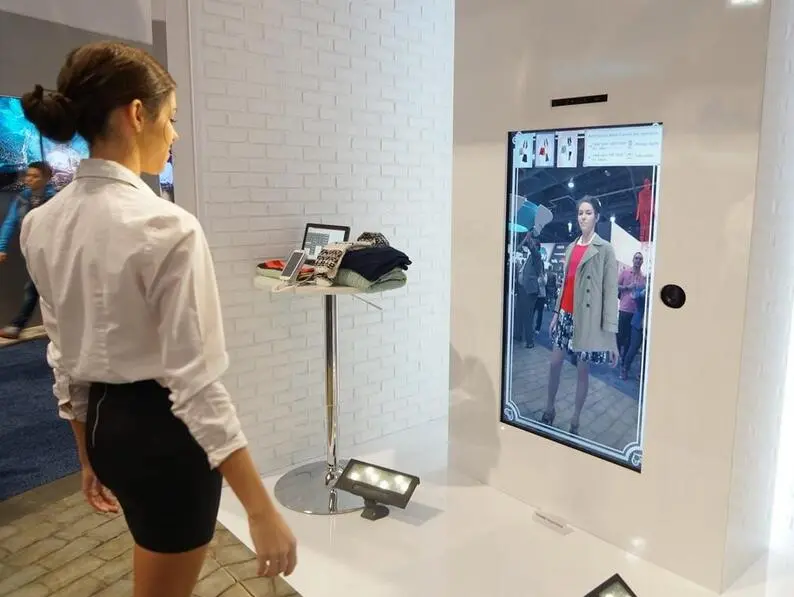
Augmented reality (AR) in fashion ecommerce allows customers to virtually try clothing before buying. Using smartphones or cameras, shoppers can see how garments may look on their body in real time. Some AR systems use body tracking, AI measurements, or digital avatars to simulate fit and appearance more accurately.
Modern AR shopping experiences may include:
- Virtual try-on for clothing
- AI-powered size recommendations
- 3D garment visualization
- Body measurement estimation
- Interactive outfit previews
These tools are designed to improve confidence and reduce uncertainty during online shopping.
Can AR Reduce Clothing Returns in Real E-commerce Scenarios?
The biggest reason AR helps reduce returns is because it improves expectation accuracy. Instead of imagining how clothing might look, customers can visualize it before placing an order. This reduces the gap between expectation and reality.
When discussing Can AR Reduce Clothing Returns, brands often notice improvements in:
- Size selection accuracy
- Customer confidence
- Product understanding
- Purchase satisfaction
Shoppers who use AR are generally more informed about what they are buying, which lowers the chances of disappointment after delivery.
How AR Improves Size Confidence
Size uncertainty is one of the main reasons customers return clothes online. Traditional size charts are often inconsistent across brands, and many shoppers struggle to identify the correct fit.
AR technology helps by:
- Estimating body proportions
- Suggesting accurate sizes
- Showing garment placement on the body
- Helping users compare styles visually
This creates stronger size confidence and reduces the habit of ordering multiple sizes.
Benefits of AR-based size confidence:
- Better fitting decisions
- Fewer incorrect purchases
- Lower return rates
- Improved shopping experience
Visual Accuracy Reduces Expectation Mismatch
Another major cause of returns is visual mismatch. Clothing may look different in real life because customers cannot properly judge proportions, fit, or styling through static images alone.
AR improves visual accuracy by:
- Showing realistic placement of garments
- Helping users understand proportions
- Displaying movement and fit simulation
- Allowing outfit visualization from multiple angles
This helps shoppers make decisions based on realistic previews rather than assumptions.
AR Increases Customer Confidence Before Checkout
Confidence is a powerful factor in e-commerce conversion and return reduction. When customers feel unsure, they either abandon the purchase or buy with uncertainty—which later increases returns.
AR helps customers feel more certain by:
- Providing interactive product experiences
- Allowing virtual try-on before buying
- Helping users explore multiple styles quickly
- Reducing hesitation during checkout
As confidence improves, both conversions and satisfaction increase.
Can AR Reduce Clothing Returns for All Fashion Categories?
AR can be highly effective across multiple fashion categories, but results vary depending on the product type.
Categories where AR performs strongly:
- T-shirts and tops
- Dresses
- Eyewear and accessories
- Footwear
- Outerwear
Complex garments like tailored clothing may still require advanced fitting systems, but AR continues to improve rapidly.
Financial Benefits for Fashion Brands
When brands ask Can AR Reduce Clothing Returns, they are also thinking about profitability. Returns create major costs related to:
- Reverse logistics
- Packaging and shipping
- Inventory handling
- Product damage and resale loss
Reducing even a small percentage of returns can save significant operational costs while improving customer loyalty.
Business advantages of AR:
- Lower return-related expenses
- Higher conversion rates
- Better customer retention
- Increased average order value
Customer Experience and Brand Trust
Fashion shoppers increasingly expect personalized and interactive experiences. Brands that implement AR are often viewed as more innovative and customer-focused.
AR improves customer experience by:
- Making shopping more interactive
- Helping users make informed decisions
- Creating a modern ecommerce journey
- Building long-term trust with buyers
This emotional confidence is important for repeat purchases and brand loyalty.
Challenges Brands Should Expect
While AR offers strong benefits, brands should also understand the challenges involved in implementation.
Common challenges:
- Creating accurate 3D clothing models
- Ensuring mobile optimization
- Maintaining realistic fit simulation
- Integration with ecommerce platforms
- Initial technology investment
However, as AR technology becomes more accessible, these barriers are becoming easier to manage.
Future of AR in Fashion E-commerce
The future of fashion ecommerce is becoming increasingly interactive and personalized. AI and AR are evolving together to create more realistic fitting experiences. Future innovations may include:
- Full-body virtual avatars
- Real-time fabric simulation
- Personalized outfit recommendations
- AI-based body scanning
As these technologies improve, the answer to Can AR Reduce Clothing Returns will become even more strongly positive.
Conclusion
So, Can AR Reduce Clothing Returns? In many cases, absolutely yes. By improving size confidence, visual accuracy, and overall shopping confidence, AR helps customers make better purchase decisions before checkout. This leads to lower return rates, higher conversions, and better customer satisfaction. For fashion brands, AR is no longer just a marketing feature—it is becoming an essential ecommerce tool for improving profitability and customer experience in a highly competitive industry.
FAQ
1 Can AR reduce clothing returns?
Yes, AR helps customers understand fit and appearance better, reducing return rates.
2 How does AR improve clothing fit confidence?
AR provides virtual try-on and size visualization before purchase.
3 Does AR increase fashion ecommerce conversions?
Yes, customers feel more confident, which improves purchase decisions.
4 Is AR useful for all clothing categories?
AR works especially well for casual wear, dresses, eyewear, and accessories.