
Virtual Try-On for Dresses: How Fashion Brands Reduce Style Hesitation Before Checkout
Online fashion shopping has grown rapidly, but one major challenge still affects conversions—customers are never fully sure how a dress will look on them before buying. Size, fit, color, and overall style can feel very different in real life compared to product images. This uncertainty often leads to hesitation at the final stage of purchase, especially when the buyer is just one click away from checkout. That is why virtual try on dresses technology is becoming a game-changer for fashion ecommerce. It allows customers to digitally try dresses on their body using a smartphone, helping them make confident buying decisions before checkout and reducing last-minute doubts.
What Is Virtual Try-On for Dresses?
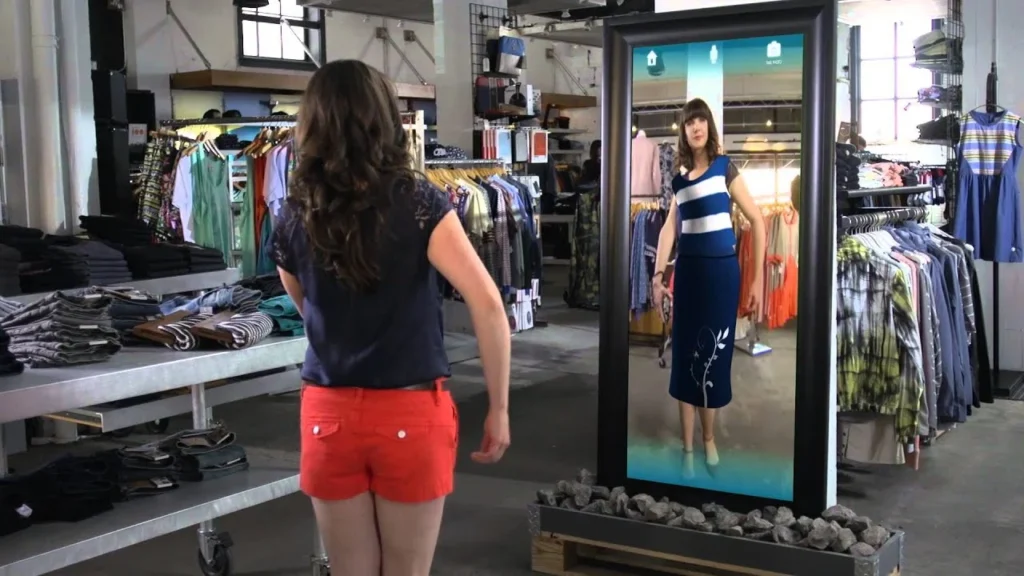
Virtual try on dresses is an augmented reality (AR) and AI-powered technology that lets customers visualize how a dress will look on them without physically wearing it. Users can either upload their photo, use a live camera, or select a body-type avatar that closely matches their shape. The system then maps the dress onto the user’s body, adjusting for proportions, posture, and sometimes even fabric fall. This creates a realistic preview that goes beyond static images and gives a near real-life understanding of the outfit. The process is quick, interactive, and designed to make online shopping feel more personal and accurate.
Why Customers Hesitate Before Buying Dresses Online
When shopping for dresses online, customers often deal with multiple uncertainties that slow down decision-making. Fit is one of the biggest concerns, as sizing varies across brands and styles. A medium in one brand may not feel the same in another, which creates confusion and doubt. Color differences due to lighting in product photos can also lead to hesitation, especially for occasion wear where exact shade matters. Customers also think about how a dress will suit their body shape, height, and skin tone. All these factors combine to create hesitation, which often results in cart abandonment even when the customer likes the product.
How Virtual Try-On Reduces Style Hesitation
With virtual try on dresses, customers no longer have to imagine how a dress might look—they can actually see it on themselves. This visual clarity removes guesswork and builds immediate confidence. Shoppers can try multiple styles within minutes, compare options, and shortlist what truly suits them. They can also experiment with colors and patterns without any effort, which enhances decision-making. As hesitation reduces, the buying journey becomes smoother, and customers are more likely to complete their purchase instead of delaying it.
Improves Fit and Size Confidence
One of the biggest advantages of virtual try on dresses is improved size accuracy. Many virtual try-on tools use AI to recommend the best size based on user inputs like height, weight, or body shape. Some advanced platforms even analyze body measurements through images. This helps customers understand how tight or loose a dress might feel and how it will sit on their body. When shoppers feel confident about size, they are less worried about returns or exchanges, which makes them more comfortable placing an order.
Enhances Customer Engagement and Experience
Virtual try-on transforms online shopping from passive browsing into an active and engaging experience. Instead of just scrolling through product images, customers interact with the product in real time. They can rotate views, zoom in on details, and instantly switch between different designs. This level of engagement increases the time spent on product pages and builds a stronger emotional connection with the product. A more engaging experience often leads to higher conversion rates and better brand recall.
Reduces Returns and Operational Costs
Returns are a major issue in fashion ecommerce, especially for dresses where expectations often do not match reality. When customers use virtual try on dresses, they make more informed choices, which significantly reduces the chances of dissatisfaction. Fewer returns mean lower shipping costs, less inventory handling, and improved operational efficiency for brands. It also leads to happier customers who are more likely to trust the brand and shop again in the future.
Boosts Conversion Rates at Checkout
The biggest impact of virtual try-on is seen at the checkout stage. This is where most customers hesitate and abandon their cart due to uncertainty. By providing a realistic preview before this stage, virtual try on dresses removes the final barrier to purchase. Customers feel reassured about their choice, which increases the likelihood of completing the transaction. Many fashion brands report higher add-to-cart rates and improved checkout conversions after implementing virtual try-on technology.
Supports Personalization and Smart Recommendations
Virtual try-on also opens the door to personalized shopping experiences. Based on the dresses a customer tries, brands can recommend similar styles, colors, or trending designs. AI can analyze preferences and suggest outfits that match the customer’s taste and body type. This makes the shopping journey more relevant and efficient, helping customers discover products they might not have found otherwise. Personalization not only improves user experience but also increases average order value.
Ideal for Mobile-First Fashion Shopping
Today, most fashion ecommerce traffic comes from mobile devices, where convenience and speed are critical. Virtual try on dresses is designed to work seamlessly on smartphones, allowing users to try outfits anytime and anywhere. This aligns perfectly with modern shopping behavior, where customers prefer quick and interactive experiences. Mobile-friendly virtual try-on ensures that users stay engaged without needing additional tools or complex steps.
Why Fashion Brands Are Rapidly Adopting Virtual Try-On
Fashion brands are constantly looking for ways to reduce returns, improve conversions, and enhance customer satisfaction. Virtual try-on addresses all these goals in one solution. It not only improves the shopping experience but also positions the brand as innovative and customer-focused. In a competitive market, offering features like virtual try on dresses helps brands stand out and build long-term trust with their audience.
Future of Virtual Try-On in Fashion Ecommerce
The future of virtual try on dresses is even more advanced and immersive. Technologies like 3D body scanning, real-time fabric simulation, and AI-driven styling assistants are already evolving. Soon, customers will be able to see how a dress moves while walking, how fabric stretches, and how it looks under different lighting conditions. This will bring online shopping even closer to the in-store experience, making digital fashion retail more reliable than ever before.
Conclusion
Virtual try on dresses is transforming online fashion shopping by solving one of the biggest problems—style hesitation before checkout. It gives customers the confidence to choose the right outfit, improves engagement, reduces returns, and boosts conversions. For fashion brands, it is not just a feature but a powerful tool to improve overall ecommerce performance. As customer expectations continue to rise, virtual try-on will play a key role in shaping the future of fashion retail.
FAQ
What is virtual try on dresses?
It is a technology that allows customers to see how a dress will look on them using Augmented Reality or AI before buying online.
Does virtual try-on increase sales?
Yes, it improves confidence and reduces hesitation, leading to higher conversion rates.
Can virtual try-on reduce returns in fashion ecommerce?
Yes, it helps customers choose the right size and style, which lowers return rates significantly.
Is virtual try-on accurate for dresses?
Modern tools are highly accurate and continue to improve with AI and body-mapping technology.
Do customers need an app for virtual try-on?
Most modern solutions work directly on mobile browsers, so users do not always need to download an app.