
WebAR vs App-Based Virtual Try-On for Jewelry Brands: Which Converts Better?
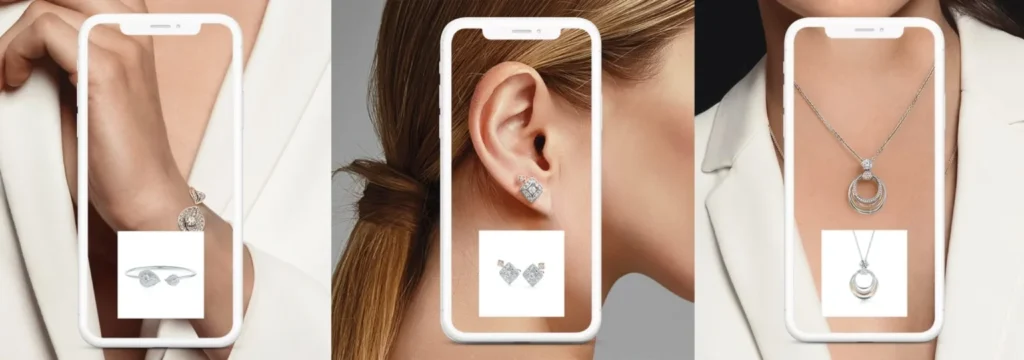
Web AR vs app based virtual try on jewelry brand is becoming an important topic for e-commerce businesses that want to improve digital product experience and increase conversion. Jewelry brands today are investing in virtual try-on because customers want more confidence before buying rings, earrings, necklaces, and bracelets online. However, many brands face an important decision before implementation: should they use WebAR directly inside the browser or build an app-based virtual try-on experience? Both options allow customers to visualize products through augmented reality, but their impact on engagement, accessibility, and conversion can be very different depending on how shoppers interact with the product page.
Why Jewelry Brands Compare WebAR and App-Based Virtual Try-On
Jewelry shopping online is highly visual, and buyers often hesitate because they cannot fully understand how a product will look on their own body before checkout. Static product photos help explain design, but they often fail to remove uncertainty about size, placement, and personal appearance. This is why virtual try-on has become valuable for jewelry ecommerce brands looking to improve product confidence.
When brands begin planning AR implementation, the first technical choice usually comes down to browser-based experience or mobile application experience. Both systems can deliver augmented reality, but the user journey changes significantly depending on how quickly the customer can access the feature and how much effort is required before trying the product.
What Is WebAR for Jewelry Brands?
WebAR allows customers to use augmented reality directly inside a browser without downloading an app. A shopper simply opens the product page, taps a try-on button, allows camera access, and immediately sees the jewelry product through the mobile camera. This makes the experience fast because there are no extra installation steps before product interaction begins.
For jewelry ecommerce, WebAR usually works well because most customers arrive through ads, search results, social media, or direct product page visits. Since they are already inside the browser, removing download friction helps the product experience begin instantly. This often improves early engagement because customers do not leave the buying flow.
What Is App-Based Virtual Try-On for Jewelry Brands?
App-based virtual try-on requires customers to install a mobile application before accessing augmented reality features. After installation, shoppers can open the app, browse products, and test jewelry through camera-based AR tools. This method can provide a controlled environment where brands manage product browsing, saved preferences, and repeat engagement inside one platform.
However, app-based journeys introduce an extra step before product interaction begins. Customers must first decide to install the app, which creates additional friction, especially for first-time visitors who simply want to explore one product quickly before checkout.
Why WebAR Often Converts Faster for First-Time Visitors
First-time jewelry shoppers usually prefer speed and convenience during product discovery. If a customer clicks a product from an ad and immediately reaches a try-on experience, they are more likely to test the product because there is no interruption in the buying flow. This is one reason why web ar vs app based virtual try on jewelry brand discussions often favor WebAR for conversion-focused ecommerce stores.
The fewer steps required before product interaction, the lower the drop-off risk becomes. App installation introduces a pause in the buying journey, and many users abandon the process before completing setup. WebAR removes this barrier and helps brands capture product interest while it is still active.
Key Benefits of WebAR for Jewelry Brands
WebAR creates several important advantages for online jewelry stores because it keeps the customer inside the product page.
- No app download required
- Faster product interaction
- Better mobile accessibility
- Lower user friction
- Stronger product page engagement
- Easier integration with e-commerce traffic
These benefits are especially valuable when brands focus on conversion directly from paid traffic or organic product visits.
Where App-Based Virtual Try-On Still Has Value
App-based experiences can still work well for brands with strong repeat customer behavior. If a jewelry brand already has an active app audience, app-based AR can support deeper product interaction and long-term engagement. Customers inside an app may browse more products, save preferences, and return more frequently.
This makes app-based virtual try-on useful when the app itself already plays an important role in the customer journey. However, for many e-commerce brands, first conversion still depends heavily on browser-based access.
Conversion Difference Between WebAR and App-Based Experience
The biggest conversion difference usually comes from accessibility. WebAR starts immediately after a tap, while app-based systems ask the user to complete installation before product interaction. In e-commerce, even small delays can affect conversion because customers often compare multiple brands quickly.
For jewelry products, where emotional buying decisions happen quickly, reducing access friction becomes highly important. A customer interested in a ring or earring may not wait through an installation process if another brand offers instant product testing inside the browser.
Why Jewelry Buyers Prefer Instant Access
Jewelry customers often arrive with immediate visual intent. They want to know quickly whether a product suits their hand, face, or style. If that answer appears instantly, product confidence improves faster. If extra steps appear before the experience begins, buying energy often decreases.
This is why WebAR usually performs strongly in categories like rings, earrings, and necklaces where visual testing directly affects purchase confidence.
Best Use Cases for WebAR in Jewelry E-commerce
WebAR performs especially well in:
- Ring try-on product pages
- Earring try-on pages
- Necklace visualization
- Paid ad landing pages
- Mobile-first product traffic
- Quick product comparison journeys
These scenarios benefit because speed matters during product exploration.
Why Product Experience Matters More Than Technology Choice Alone
Although WebAR often creates easier access, conversion still depends on overall product page quality. AR cannot fully compensate for weak product images, unclear pricing, missing reviews, or poor delivery information. The strongest results happen when virtual try-on is combined with strong e-commerce fundamentals.
Jewelry brands that use AR successfully usually treat it as one layer inside a complete product confidence strategy rather than a standalone feature.
Final Thoughts
Web ar vs app based virtual try on jewelry brand is ultimately a conversion decision shaped by customer behavior. For most first-time ecommerce visitors, WebAR usually creates stronger product access because it removes installation friction and keeps shoppers inside the buying flow.
As jewelry ecommerce competition grows, faster product confidence often creates stronger conversion opportunities, which is why browser-based AR continues gaining importance.