
Furniture AR ROI: What to Measure After Launching Try in Room
Augmented reality has quickly become one of the most powerful tools in furniture ecommerce, especially with features like “Try in Room.” It allows customers to visualize products in their own space before buying, reducing uncertainty and improving decision-making. However, after implementing AR, many brands face an important question—how do you measure its success? Understanding Furniture AR ROI is essential to evaluate performance, justify investment, and optimize future strategies. Tracking the right metrics helps brands see how AR impacts conversions, engagement, and overall business growth.
What Is Furniture AR ROI?
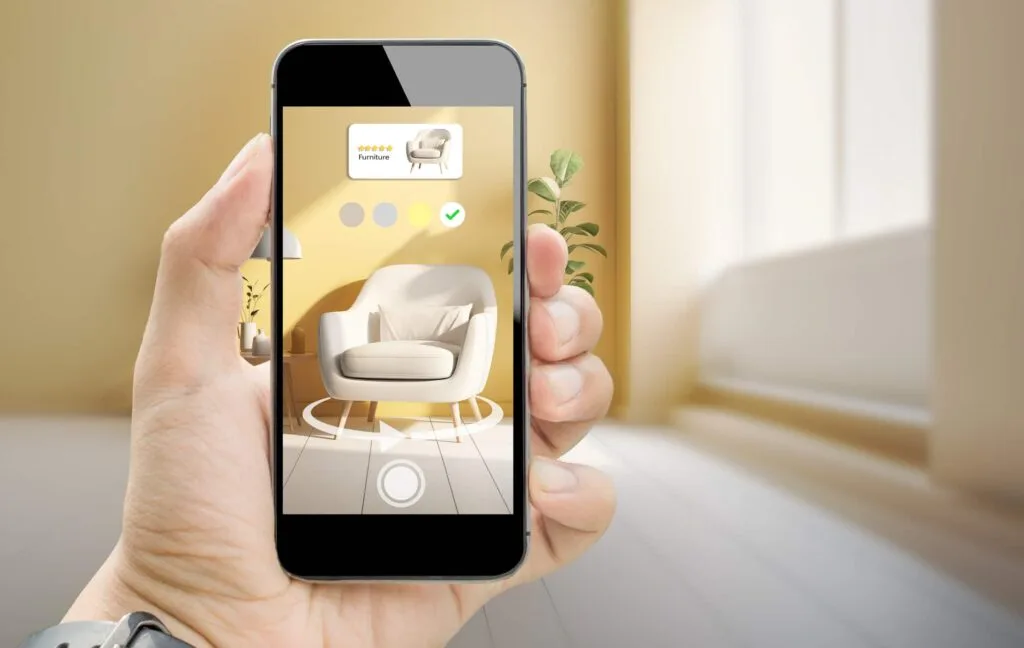
Furniture AR ROI refers to the return on investment that furniture brands achieve after implementing augmented reality features like “View in Your Room” or virtual placement tools. It measures how AR contributes to increased sales, reduced returns, improved engagement, and better customer experience. Instead of just focusing on traffic, ROI looks at how effectively AR turns visitors into buyers and improves operational efficiency.
Why Measuring AR ROI Is Important
Launching AR is only the first step—measuring its impact is what truly defines success. Without proper tracking, brands cannot understand whether the feature is delivering value. Measuring Furniture AR ROI helps businesses identify what is working, what needs improvement, and how AR influences customer behavior. It also helps justify the investment in AR technology by showing clear results in terms of revenue and cost savings.
Key Metric 1: Conversion Rate Improvement
One of the most important indicators of Furniture AR ROI is conversion rate. This measures how many visitors complete a purchase after using the AR feature. Customers who interact with “Try in Room” are more confident in their decisions, which often leads to higher conversions. Comparing conversion rates between users who use AR and those who do not can provide clear insights into its effectiveness.
Key Metric 2: Engagement Rate
Engagement is another critical metric. AR features encourage customers to spend more time on product pages by interacting with furniture in real time. Metrics such as time spent on page, number of interactions, and repeat usage of AR tools indicate how engaging the experience is. Higher engagement usually leads to stronger purchase intent.
Key Metric 3: Add-to-Cart Rate
The add-to-cart rate shows how many users move from browsing to considering a purchase. AR helps customers visualize products better, which increases confidence and encourages them to add items to their cart. Tracking this metric helps brands understand how AR influences the buying journey before checkout.
Key Metric 4: Return Rate Reduction
Furniture returns are often caused by size or fit issues. One of the biggest benefits of AR is reducing these problems. Measuring the decrease in return rates after implementing AR is a strong indicator of Furniture AR ROI. Lower returns mean reduced logistics costs and higher customer satisfaction.
Key Metric 5: Average Order Value (AOV)
AR can also influence how much customers spend. When users can visualize multiple products in their space, they are more likely to purchase additional items such as matching furniture or accessories. Tracking changes in average order value helps brands understand how AR contributes to upselling and cross-selling.
Key Metric 6: Customer Confidence and Satisfaction
While harder to measure directly, customer confidence plays a major role in AR success. Feedback, reviews, and customer surveys can provide insights into how AR improves the shopping experience. Positive feedback often indicates that customers feel more confident in their purchases, which is a key component of Furniture AR ROI.
Key Metric 7: Mobile Performance
Since most AR experiences are used on mobile devices, it is important to track mobile-specific performance. Metrics such as mobile conversion rate, AR usage on smartphones, and session duration help brands understand how well AR performs on mobile platforms. Strong mobile performance is essential for maximizing ROI.
How to Analyze AR Performance Effectively
To accurately measure Furniture AR ROI, brands should compare performance data before and after implementing AR. A/B testing can also be used to compare users who have access to AR features with those who do not. This helps isolate the impact of AR and provides clear insights into its effectiveness. Using analytics tools to track user behavior and interactions is essential for detailed analysis.
Common Mistakes to Avoid
While measuring ROI, brands should avoid focusing on a single metric. For example, high engagement without conversion improvement may indicate usability issues. Similarly, increased conversions without reduced returns may suggest incomplete visualization accuracy. A balanced approach that considers multiple metrics provides a more accurate understanding of AR performance.
Future of Furniture AR ROI Measurement
As AR technology evolves, ROI measurement will become more advanced. AI-driven analytics, predictive insights, and deeper customer behavior tracking will help brands understand the full impact of AR. Future tools will provide more precise data on how AR influences each stage of the customer journey, making ROI analysis even more effective.
Conclusion
Furniture AR ROI is not just about tracking sales—it is about understanding how AR transforms the entire shopping experience. By measuring metrics like conversion rate, engagement, return reduction, and customer satisfaction, brands can clearly see the value of their AR investment. For furniture ecommerce businesses, tracking ROI is essential to optimize performance, improve customer experience, and achieve long-term growth.
FAQ
1 What is Furniture AR ROI?
It measures the return on investment from using AR features in furniture ecommerce.
2 Which metric is most important for AR ROI?
Conversion rate is one of the most important metrics, but it should be analyzed along with engagement and return rates.
3 Does AR reduce furniture returns?
Yes, AR helps customers make better decisions, which reduces return rates.
4 How can brands track AR performance?
Brands can use analytics tools, A/B testing, and customer feedback to measure AR impact.